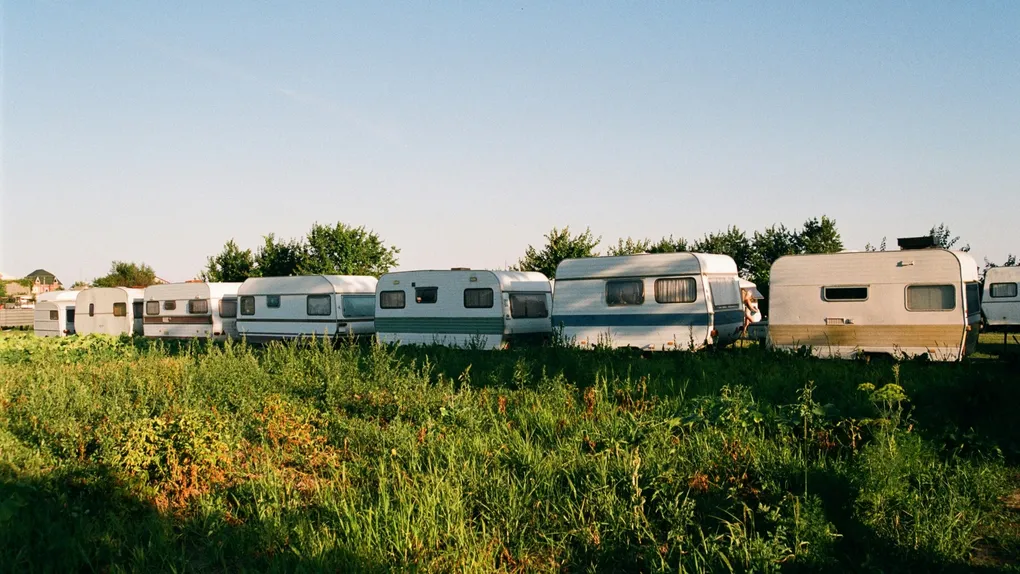
Mobile home safety: Where to go when storms hit
Mobile and manufactured homes are among the most dangerous places to be in a tornado. A one-page guide from the National Weather Service sums up the research:
- 72 percent of tornado deaths happen in homes, whether permanent, mobile or manufactured.
- 54 percent of those home deaths are in mobile or manufactured homes, even though they make up only 6 percent of US housing.
- Earlier research found residents are 15 to 20 times more likely to be killed in a mobile home than in a permanent home.
- A mobile home can be destroyed by winds about 45 percent as strong as those needed to destroy a permanent home.
The NWS message is blunt: no type of manufactured home is a safe place to shelter in severe weather. Move to a safer structure. Its guide adds: you can replace your possessions, but you cannot replace a life.
Disclaimer: This is general safety information. Follow National Weather Service warnings and local emergency managers. In an emergency, call 911.
The Readiness Audit
- Green: You know exactly where you will go, how long it takes to get there and how you will get warnings.
- Yellow: You plan to go somewhere, but only after a warning is issued.
- Red: You plan to ride out storms at home.
If you are Yellow or Red, start Phase 1.
Phase 1: Every Day
Goal: Have a plan long before a storm.
- Identify a safe place. Make a family plan with shelter options, like a community shelter or a friend’s sturdy house.
- Know your routes. Plan how you will get there, and keep up with road closures.
- Know your timing. Find out how long it takes to get there.
- Be weather ready. Check the forecast often, and listen to local news or a NOAA Weather Radio for tornado watches and warnings.
- Sign up for alerts. The NWS lists several ways to get warnings: Wireless Emergency Alerts on your phone, weather apps, local TV and radio, a NOAA Weather Radio, outdoor sirens and friends and family.
The Takeaway: Pick the place, the route and the time now.
Phase 2: The Day Before
Goal: Confirm your plan when storms are forecast.
- Check that your shelter will be open. Ask your local emergency management office.
- Coordinate with family and friends about staying with them if their home is safer.
- Fill your gas tank so you can reach a sturdier shelter. If you do not have a car, arrange a ride.
- Help your neighbors prepare and offer them a ride.
- Keep listening for watches and warnings.
The Takeaway: Shelter confirmed, tank full and ride arranged.
Phase 3: The Day Of
Goal: Leave early.
- Go when the watch is issued. The NWS says that if a tornado watch is issued and storms are headed your way, it is time to evacuate to a sturdier shelter.
- Take your important documents and your pets.
- Tell family and friends where you are going, and ask whether anyone else in vulnerable housing needs to move too.
- Keep listening for updates.
Caution: If a tornado warning is issued before you leave, it may already be too dangerous to travel. Last resort options are driving away to a sturdy building with your seatbelt on, or moving to a protected spot outside, shielded from debris and flooding.
The Takeaway: Leave on the watch, not the warning.
Phase 4: Once You Reach Shelter
Goal: Use the safest part of the building.
Even a well-built house or commercial building is safer, not completely safe. Once there:
- Go to the lowest floor, underground if possible.
- Put as many walls as you can between you and the outside.
- Protect your head with a helmet.
Our tornado safe room guide covers how to pick the best spot.
The Takeaway: Lowest floor, most walls, head protected.
The Essential Kit Checklist
- Shelter: A named sturdy building or community shelter.
- Route and time: How you will get there and how long it takes.
- Alerts: At least two ways to get warnings, including phone alerts and a weather radio.
- Go bag: Important documents, medicines and pet supplies ready to grab.
- Helmet for each person.
- Ride: A full tank, or a friend lined up to drive you.
Scenario Planner (Contingencies)
The trap: A watch is issued, but the sky looks fine, so you wait. The fix: The NWS says the watch is your signal to go when storms are headed your way. By the warning, it may be too late.
The trap: You have no car and the shelter is miles away. The fix: Arrange a ride with family, friends or neighbors the day before, and ask your emergency manager about transport help.
Frequently Asked Questions
Is it safe to stay in a mobile home during a tornado?
No. The National Weather Service says no type of manufactured home is a safe place to shelter in severe weather. Move to a sturdier building before the storm arrives.
When should I leave my mobile home for shelter?
The NWS says that if a tornado watch is issued and storms are heading your way, it is time to go to a sturdier shelter. Waiting for a warning may leave too little time.
What if a tornado warning is issued before I can leave?
It may already be too dangerous to travel. Last resort options include driving away to a sturdy building with your seatbelt on, or moving to a protected spot outside shielded from debris and flooding.
Next Steps
- Call your emergency management office to find your nearest shelter.
- Time the trip from your home to that shelter.
- Read our tornado series for the full picture.
Hero photo by Maryna Nikolaieva on Unsplash.
Adapted from NOAA National Weather Service (public domain). Read the original: NWS Mobile Home Safety (One Page).