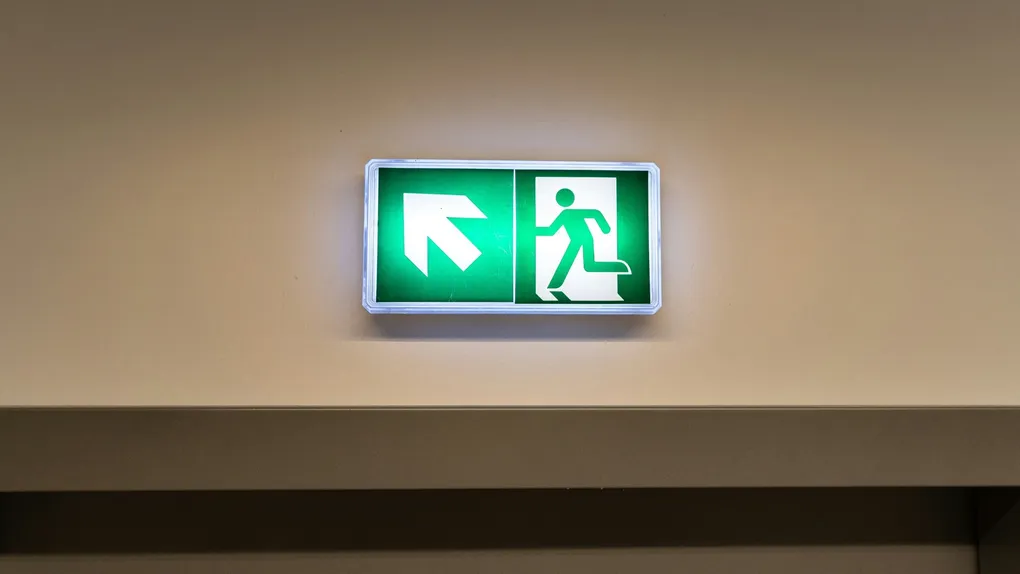
Prepping for an active shooter situation: Run, hide, fight
No one wants to plan for this, and most people will never face it. But FEMA’s point is a practical one: a few habits, built now, can help you react quickly when every second counts. CISA notes that these attacks are often over in 10 to 15 minutes, before police arrive, so the first decisions are yours.
An active shooter is a person trying to kill people in a confined or crowded place. Attacks can happen anywhere and at any time, and the attacker usually has no pattern in choosing victims.
This guide uses FEMA’s hazard sheet Be Prepared for an Active Shooter (P-2143, August 2024) and the current Ready.gov page on mass gathering incidents. FEMA’s sheet uses the familiar words Run, Hide, Fight. Ready.gov now says Run to safety, Cover and hide, and Defend, disrupt, fight. The steps are the same.
Disclaimer: This is general safety information. If you are in danger, call 911 as soon as it is safe to do so.
The Readiness Audit
- Green: You know the emergency plans where you work, study and worship, and you notice exits when you walk into a building.
- Yellow: You have heard “run, hide, fight” but never thought about what it means in the places you go.
- Red: You assume someone else will tell you what to do.
If you are Yellow or Red, start Phase 1.
Phase 1: Build the Habits Now
Goal: Make the first decisions before you ever need them.
- Learn the plans. Schools, workplaces and houses of worship may have plans. Ask about them and get familiar with them.
- Notice two exits. When you enter a building like a mall or a clinic, take a moment to find two nearby exits. Make it a habit.
- Think about hiding places. Rooms without windows, solid doors that lock and spots behind heavy furniture like large filing cabinets can make good places to hide.
- Report what worries you. If you see something suspicious, tell an authority right away.
- Get training. Take first aid and bleeding control training so you can help the injured. FEMA’s free online course IS-907.A, Active Shooter: What You Can Do covers the basics.
- Talk it through. If you take part in a drill, talk with your family about what you learned and how it applies to other places.
The Takeaway: Two exits and a hiding place, noticed every time.
Phase 2: Run to Safety
Goal: Get away. It is the top priority.
- Leave your things behind and get out.
- Warn others nearby if it is safe to do so.
- Call 911 when you are safe. Describe the attacker, where they are and what weapons they have.
The Takeaway: If there is a way out, take it.
Phase 3: Cover and Hide
Goal: Stay out of sight if you cannot get out.
- Get out of the attacker’s view and stay very quiet.
- Silence your phone and make sure it will not vibrate.
- Lock and block doors, close blinds and turn off the lights.
- Do not hide in groups. Spread out along walls or hide separately to make it harder for the attacker.
- Contact police silently, such as by text or with a sign in an outside window.
- Stay put until police tell you the danger is over.
The Takeaway: Out of sight, silent and behind a locked or blocked door.
Phase 4: Defend, Disrupt, Fight
Goal: Protect your life when there is no other choice.
Fighting is a last resort, only when you are in immediate danger. If it comes to that, FEMA says to commit to your actions and act aggressively. People working together, using items like chairs, fire extinguishers, scissors and books, can distract and disarm an attacker.
The Takeaway: Last resort, full commitment, together if you can.
Phase 5: When Police Arrive and Afterward
Goal: Stay safe as help arrives, and look after yourself later.
- Keep your hands visible and empty.
- Know the first priority. Police must stop the attacker first, so they may pass injured people on the way.
- Follow instructions and leave in the direction officers tell you.
- Get support. Consider professional help for you and your family to cope with the long-term effects of trauma. Our guide to PTSD after a disaster explains what to watch for.
The Takeaway: Empty hands, follow directions, then take care of your mind.
The Essential Kit Checklist
- Plans: You know the emergency plan at work, school and your place of worship.
- Exit habit: You note two exits when you enter a building.
- Phone: You know how to silence it fast, including vibration.
- Training: A first aid or bleeding control class on your calendar.
- Course: FEMA’s free IS-907.A course bookmarked.
Scenario Planner (Contingencies)
The trap: You hear loud bangs and wait to see what is happening. The fix: Treat it as real. Move toward the exit you noticed when you walked in.
The trap: Everyone crowds into one closet together. The fix: Spread out or hide separately, lock or block the door, silence phones and stay quiet.
Frequently Asked Questions
What should I do in an active shooter situation?
Get away if you can, leaving your things behind, and call 911 when safe. If you cannot get out, hide out of sight, lock and block doors and stay silent. Fight only as a last resort.
What should I do when police arrive?
Keep your hands visible and empty and follow their instructions. Their first job is to stop the attacker, so they may pass injured people. Leave in the direction they tell you.
How can I prepare for an active shooter situation?
Learn the plans at your work, school and place of worship, notice two exits when you enter a building, think about where you could hide and take first aid training.
Next Steps
- Ask about the emergency plan at your workplace or school this week.
- Practice noticing two exits the next time you enter a store or clinic.
- Read our guide to being a victim of crime for more on personal safety.
Hero photo by Jakub Żerdzicki on Unsplash.
Adapted from Federal Emergency Management Agency, Be Prepared for Any Hazard, FEMA P-2143 hazard information sheets (public domain). Read the original: Be Prepared for Any Hazard.