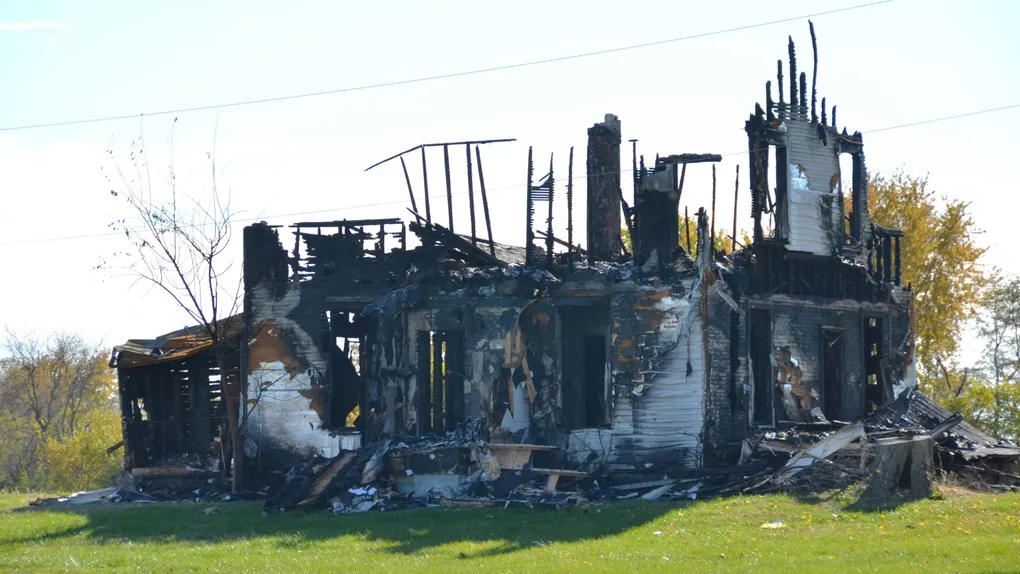
Loss of housing (Part 1): Proactive Housing Prep
A neighbor of mine lost her rental to a kitchen fire a few years back. She stood in the driveway while firefighters mopped up, and the first question the insurance adjuster asked her was not “are you okay”. It was “do you have an inventory of what was in the house”. She did not. She spent three weeks reconstructing her belongings from memory, from old photos, and from a holiday video her sister had happened to shoot in the living room. She got paid eventually, but she left real money on the table because she could not prove what she owned.
Housing loss rarely sends a warning. It arrives as a fire, a layoff that makes rent impossible, a landlord selling the building, or an eviction notice taped to the door. Caution: A lack of preparation is expensive. A home full of belongings represents years of labor. Without proper insurance or savings, a disaster can wipe that out in minutes with no financial recourse.
The payoff side is just as real. Preparedness here is not about stockpiling supplies in a closet. It is about financial resilience, paperwork, and proof. When those three things are in order, a housing crisis becomes a disruption instead of a collapse, and you act decisively instead of reactively.
Disclaimer: The information provided in this article is for general informational and educational purposes only. It is not intended as, and should not be considered, legal or financial advice. For guidance on evictions or tenant rights, consult a qualified legal professional.
The Readiness Audit
How vulnerable is your housing situation right now?
- Green: You have 3 to 6 months of essential expenses in a separate savings account, “replacement cost” coverage confirmed with your insurer, and a current home inventory video stored off-site.
- Yellow: You have some savings, but you have not read your lease or insurance policy in years and could not produce an inventory.
- Red: You live paycheck to paycheck, carry no renter’s or homeowner’s insurance, and have no record of your belongings anywhere but memory.
If you are Yellow or Red, execute Phase 1 immediately.
Phase 1: The Financial Defense (Savings and Debt)
Goal: Buy time and options. Money in the bank is the difference between choosing your next housing and having it chosen for you.
The Emergency Fund
An emergency fund is your lifeline. It pays for a hotel before the insurance company cuts a check, and it covers rent during a job loss so you search for work at your own pace instead of from desperation.
- The Target: 3 to 6 months of essential living expenses, calculated against a bare-bones budget rather than your current spending.
- The Location: Keep the money liquid and separate. Do not mix it with your daily checking. A High-Yield Savings Account (HYSA) is FDIC-insured and reachable within 1 to 2 days, far enough away to resist impulse raids.
- The Action: Set up an automatic recurring transfer scheduled for the day after payday. Even $25 a week builds the foundation. Automation beats willpower because it removes the monthly decision entirely.
The Takeaway: The fund is not an investment, it is time. Every month of expenses banked is a month you can solve the problem calmly instead of panic-signing a lease you cannot afford.
The Stability Check
- Monthly Review: Spend 10 minutes a month reviewing your budget. Catching negative trends early lets you adjust before they become a crisis.
- Attack Debt: High-interest debt is a hole in your boat. Aggressive paydown of high-rate balances does more for your housing security than almost any other single move.
Phase 2: The Insurance Shield
Goal: Ensure you can rebuild, not just restart from zero.
For Homeowners
- Replacement Cost vs. Actual Cash Value: Confirm your policy pays replacement cost. Replacement cost pays to replace damaged items with new equivalents. Actual cash value only pays what your used belongings were worth, which after depreciation is often a fraction of the cost to buy them again.
- Loss of Use (ALE): Verify your coverage limit for Additional Living Expenses. This benefit pays for hotels and meals while your home is being repaired, and it is the line item that keeps a displaced family out of a relative’s spare room.
- The Exclusions: Standard policies do not cover floods or earthquakes. Check the FEMA flood maps for your address and buy separate policies if your risk demands it.
For Renters
- The Reality: Your landlord’s insurance covers the building, not your stuff. If the unit burns, the landlord collects on the structure and you collect nothing.
- The Solution: Renter’s insurance typically runs $15 to $20 a month and covers your belongings, liability, and loss of use. It is the cheapest significant protection in personal finance.
The Takeaway: Insurance is the only mechanism that converts a total loss back into a manageable claim. Verify the coverage before you need it, because the day of the fire is too late to discover what the policy excludes.
Phase 3: The Evidence (Documentation)
Goal: Prove what you owned so you get paid.
After a fire it is impossible to remember every item you owned. A home inventory is the most important tool for a successful claim, and the fastest reliable method is video.
The Video Method
- Record: Walk through your house with your smartphone camera rolling.
- Narrate: Open every drawer and closet and describe the contents out loud (“master closet, 5 suits, 10 pairs of shoes”).
- High-Value Items: Take separate close-up photos of jewelry, electronics, and firearms, along with receipts and serial numbers.
- Distribute: Upload the video to a secure cloud service and email a copy to a trusted family member. An inventory on a computer that burns down is useless. Caution: This step is critical and non-negotiable.
The Takeaway: The claim you file is only as strong as the evidence behind it. One narrated video, stored in two places, replaces hours of post-disaster reconstruction and usually recovers thousands of dollars that memory-based claims lose.
The “Essential Kit” Checklist
- The HYSA: Opened and linked to your checking account for automatic transfers.
- The Policy Check: A 15-minute call with your agent confirming “replacement cost” and “loss of use” coverage.
- The Lease or Mortgage Copy: A digital copy saved to the cloud.
- The Home Inventory: A narrated video walkthrough uploaded to the cloud and emailed to a relative.
The Scenario Planner (Contingencies)
“My landlord is evicting me without notice.” The trap: not knowing your rights leads to panic decisions you cannot undo. The fix: read your lease now, specifically the sections on notice periods and default. You cannot defend rights you do not know you have.
“I have insurance, but I cannot find the policy number after the fire.” The trap: relying on physical papers kept inside the home that burned. The fix: locate your Declarations Page today (the one-page policy summary), photograph it, and save the photo to your phone and cloud storage.
Next Steps
- Re-run the Readiness Audit. Scroll back to the top, answer the three questions honestly, and close whichever gap they reveal before you close this tab.
- Print the checklist. The kit list above only works if it exists when the power is out, so paper beats apps here.
- Fold it into the family plan. A prepared household beats prepared person, so put these steps in front of everyone who shares your roof.