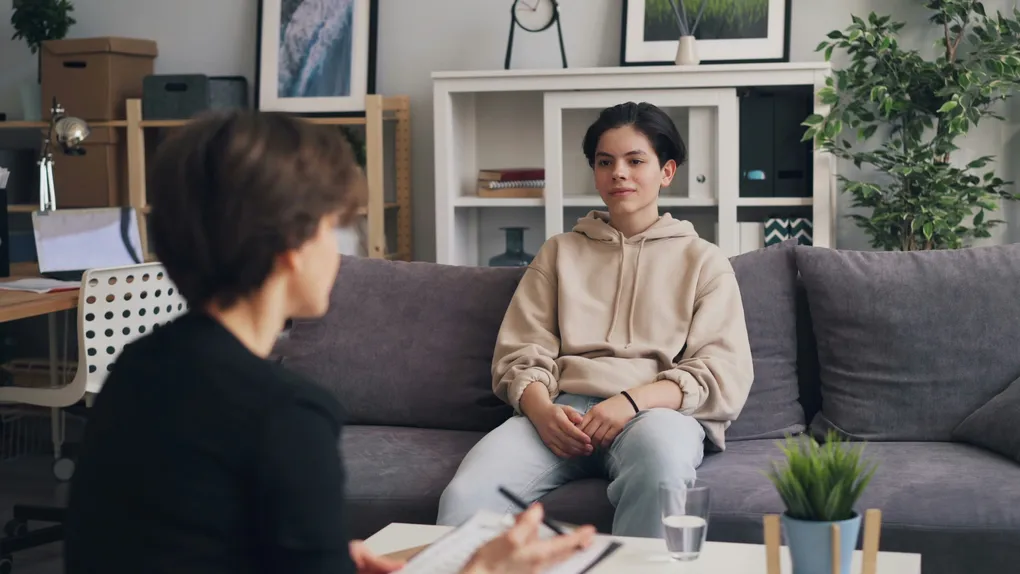
Supporting someone with PTSD (Part 3): Help through treatment
Many families hope PTSD will fade with time. The VA National Center for PTSD is direct about this: if PTSD is not treated, it usually does not get better, and it may get worse. That is why encouraging your loved one to get treatment is one of the most important things you can do.
The good news is that treatment works. This part covers what treatment involves, how to encourage it and how to support your loved one while it does its work.
Get help in a crisis: If someone is in danger, call 911. For support any time, call or text 988. Veterans and their families can dial 988 and press 1, or text 838255.
Disclaimer: This is general information for family members, not medical or mental health advice. Treatment decisions belong to your loved one and their provider.
The Readiness Audit
- Green: You know the main treatment types, you have shared information with your loved one and you know where they could go.
- Yellow: You have mentioned treatment once, and they said no.
- Red: You are waiting for things to improve on their own.
If you are Yellow or Red, start Phase 1.
Phase 1: Learn What Treatment Involves
Goal: Understand treatment well enough to talk about it.
The VA says that for some people, treatment can get rid of PTSD altogether. Others have fewer or less intense symptoms. After treatment, most people say they have a better quality of life.
There are two main kinds of proven treatment:
- Talk therapy. Some types focus on thinking or talking about the trauma in a way that changes how a person reacts to the memories. Others focus on challenging negative or unhelpful thoughts about it. Therapy can also teach ways to manage symptoms, handle stress and communicate better.
- Medication. Some medications help the brain manage stress and anxiety so a person feels better.
Our post on PTSD treatment that works explains the main therapies in more detail. The VA’s PTSD treatment decision aid lets you and your loved one compare options together.
The Takeaway: Treatment is proven and practical. Knowing the basics makes the conversation easier.
Phase 2: Encourage Treatment With Patience
Goal: Keep the door open without forcing it.
For most people, it takes more than one conversation to accept they may need treatment. The VA suggests you:
- Be patient. Express your support and concern, and remind them that getting help is their choice.
- Share information. Many people have wrong ideas about what treatment is like. The VA’s AboutFace site has videos of people who have been through PTSD treatment talking about it.
One wife in the VA guide describes telling her husband she did not have the tools to help him anymore, but the VA did, and asking if he was willing to go. He said yes.
Caution: Pressure and ultimatums can make someone dig in. Concern, information and patience work better over time.
The Takeaway: Ask more than once, and let them own the decision.
Phase 3: Make Treatment Easier to Start
Goal: Remove the practical barriers.
You cannot make your loved one go if they are not ready, but you can make it easier to say yes:
- Research options. Look up PTSD services and therapists in your area.
- Handle logistics. Offer to call and schedule the first appointment.
- Find the right program. The National Center for PTSD’s guide to finding a therapist covers VA and non-VA options. Outside the VA, your loved one can also ask their doctor for a referral or search FindTreatment.gov.
The VA’s National Caregiver Support Line, 1-855-260-3274, is a free number for caregivers, family members, friends and Veterans. It can connect you with the Caregiver Support Team at your local VA medical center.
The Takeaway: A phone number and a scheduled time turn “maybe someday” into a first step.
Phase 4: Support Them During Treatment
Goal: Stay steady while therapy does its work.
Treatment takes time. It will not make PTSD go away overnight. The VA notes that while your loved one is in therapy, they may seem more tired, emotional or on edge than usual. They are working through hard things, and it gets better.
- Be supportive and patient during the hard weeks.
- Keep talking about PTSD, even after treatment ends. Check in regularly about how they are feeling and how you can support each other.
Families in the VA guide describe the change afterward: fewer arguments, a loved one who seems happier and a family that understands when someone needs a break.
The Takeaway: A rough patch during therapy is often a sign of the work being done.
The Essential Kit Checklist
- The basics: You can explain talk therapy and medication in a sentence each.
- Decision aid: The VA treatment decision aid bookmarked to look at together.
- A short list: Two or three nearby therapists or programs.
- One offer: “Do you want me to make the call?” ready for the right moment.
- Caregiver line: 1-855-260-3274 saved in your phone.
Scenario Planner (Contingencies)
The trap: Your loved one said no to treatment, so you drop the subject for good. The fix: It often takes more than one conversation. Wait for a calm moment, share a video from AboutFace and ask again.
The trap: Therapy starts and they seem worse, so you think it is not working. The fix: The VA says people often seem more tired or on edge during treatment. Stay patient, keep checking in and talk to their provider if you are worried.
Frequently Asked Questions
Will PTSD go away on its own?
Usually not. The VA says that if PTSD is not treated, it usually does not get better and may get worse. That is why encouraging treatment is one of the most important things family can do.
How do I get my loved one to go to PTSD treatment?
Be patient, because it often takes more than one conversation. Share information about treatment and offer practical help, like finding a therapist or making the call. Remind them the choice is theirs.
Why does my loved one seem worse during PTSD therapy?
The VA notes that people in therapy may seem more tired, emotional or on edge than usual because they are working through hard things. Stay patient and supportive. It gets better with time.
Next Steps
- Bookmark the decision aid and look at it together when the time is right.
- Print the family support checklist and keep it handy.
- Go back to the series overview for the full plan.
Hero photo by Vitaly Gariev on Unsplash.
Adapted from VA National Center for PTSD, Understanding PTSD: A Guide for Family and Friends (public domain). Read the original: Understanding PTSD: A Guide for Family and Friends.