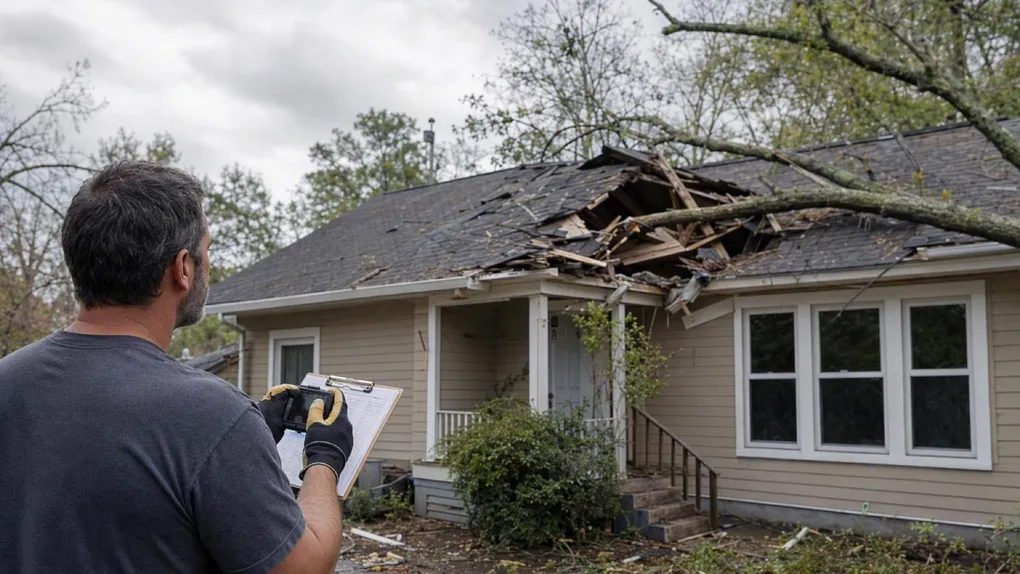
Recovering From a Disaster the Right Way
The storm ends and the hard part starts. FEMA’s guide closes with recovery because that is where unprepared families lose the most: unsafe homes entered too early, food poisoning from a misread refrigerator, insurance claims weakened by discarded evidence, and scams that target the desperate. This post walks the guide’s recovery playbook in order: health and safety, re-entry, the insurance claim, mental health, disaster assistance, and fraud protection.
Disclaimer: The information provided in this article is for general informational and educational purposes only. It is not intended as, and should not be considered, legal, medical, or financial advice. Always follow the instructions of local authorities and emergency management officials.
The Readiness Audit
Would your family’s first 48 hours after a disaster be safe and productive?
- Green: You know the re-entry rules (flashlight inspection, no gas smells, qualified inspector), the food temperature rule, and the fraud red flags.
- Yellow: You would figure it out as you go.
- Red: You would walk into a damaged house sniffing for gas with the lights on.
If you are Yellow or Red, read Phase 1 carefully.
Phase 1: Health, Safety, and Re-Entry
Goal: Do no harm during cleanup.
Pace yourself. The guide warns against exhaustion during cleanup: set priorities, take breaks, drink plenty of clean water, eat well, and wear sturdy work boots and gloves, washing hands often with soap and clean water when working in debris. Know the new dangers the disaster created: washed-out roads, contaminated buildings and water, gas leaks, broken glass, damaged wiring, and slippery surfaces. Report chemical spills, downed power lines, smoldering insulation, and dead animals to local authorities.
Returning home starts before you enter. Wait until authorities say it is safe. Inspect the outside first with a flashlight, checking for loose or downed power lines, gas leaks, and structural damage. A qualified inspector should clear any damaged house before you occupy it. Never enter if you smell gas, see floodwater around the building, or if fire damage has not been inspected. Any doubts, leave and ask for a structural engineer.
Inside, the rules are specific. Natural gas: if you smell it or hear hissing, open a window and leave immediately, and only professionals restore the supply. No smoking, flames, or lanterns until cleared. Electrical: never check the system while wet or standing in water. If possible, shut off electricity at the main breaker and have an electrician inspect before restoring power. Structure: stay out of buildings with wall cracks, out-of-square doors or windows, or foundation shifts. Appliances: if wet, shut off power at the breaker, unplug, dry, and have them professionally checked before reuse.
Then the household systems. Check with the water authority for a Boil Water Notice before drinking. Refrigerated food is safe during an outage up to four hours if the door stayed closed, and anything perishable (meat, poultry, fish, eggs, leftovers) held above 40 degrees Fahrenheit for over two hours gets thrown out, along with anything that touched floodwater or fire. Pump a flooded basement slowly, about one third of the water per day, since walls can collapse and floors buckle if the surrounding ground is still saturated. Open cabinets carefully, because objects fall. Expect displaced pests (mice, rats, insects, snakes) and call animal control or wildlife resources for help.
The Takeaway: Recovery injuries are avoidable injuries. The flashlight rule, the 40-degree two-hour food rule, the one-third-per-day pump rule, and the never-enter-conditions are four facts that prevent the most common post-disaster tragedies.
Phase 2: The Insurance Claim
Goal: File fast and document everything.
Contact your insurance company or agent as soon as possible, with your policy number and contact information where you can be reached at all times. An adjuster should contact you within several days of filing, and if not, call your agent again. Document the damage: separate damaged property from undamaged, photograph everything including discarded objects, structural damage, and standing floodwater levels, and list damaged or lost items with purchase dates, values, and receipts. Keep records and receipts of all extra expenses (hotel, restaurants) if you must relocate, since most homeowner policies cover loss of use, though many exclude those costs during a mandatory evacuation when the home itself took no loss.
Your adjuster helps prepare the Proof of Loss, your sworn statement of the claim amount with supporting documentation. Payment comes after you and the insurer agree on damages and the insurer has your complete, accurate, signed Proof of Loss. Major events slow the process because of claim volume, and your state insurance department can answer questions about claim law.
The Takeaway: The claim is a documentation contest. Photographs, the do-not-discard rule, and receipts are the evidence, and the Proof of Loss is the verdict.
Phase 3: Coping, Assistance, and Fraud Defense
Goal: Recover the family, not just the house.
The emotional toll of disaster can outweigh the financial strain. Seek crisis counseling if anyone in the family struggles with disaster-related stress, and know the guide’s warning about disease outbreaks like COVID-19 leading to discrimination: stop stigma by knowing the facts and sharing them.
For material help, check local radio, television, and media for where to find emergency housing, food, first aid, clothing, and financial help. The American Red Cross, the Salvation Army, and local volunteer organizations deliver direct help, and after major disasters the Federal Government adds temporary housing, counseling for post-disaster trauma, and low-interest loans and grants, including programs for small businesses and farmers. Most Federal aid begins when the President declares a Major Disaster, and FEMA announces how to apply. Disasterassistance.gov lets you find assistance, apply online, and check your status.
Then guard the recovery itself. Ask for official laminated photo ID, because a FEMA shirt or SBA jacket is not proof. Protect personal information: FEMA inspectors never need your Social Security or bank numbers to begin services, though follow-up calls may ask for the last four digits to confirm identity. Beware door-to-door contractors asking for financial information. Federal workers never ask for or accept money, never charge for disaster help, inspections, or application assistance, and never recommend specific contractors. Report suspicious activity to local authorities and the FEMA Disaster Fraud Hotline at 1-866-720-5721.
Finally, give support: help neighbors restore the community, donate cash to recognized relief organizations, check with local officials before volunteering or donating goods, and remember that children, elderly people, non-native English speakers, and people with disabilities need special care after a disaster.
The Takeaway: Recovery has three attackers: injury, paperwork failure, and fraud. The playbook for all three is the same word twice: verify. Verify the house is safe before entering, and verify the helper is real before sharing anything.
The Essential Kit Checklist
- The Flashlight: The re-entry tool, used before anything else, never a lighter or switch.
- The Thermometer: A refrigerator and freezer thermometer, because the 40-degree two-hour rule needs data.
- The Claim Kit: Policy number, contact sheet, camera, and receipts folder ready before the event.
- The Hotline: FEMA Disaster Fraud Hotline (1-866-720-5721) and Disasterassistance.gov saved in your phone.
- The Neighbor Check: A plan to check on elderly, disabled, and non-native-speaking neighbors after the event.
Scenario Planner (Contingencies)
“The adjuster said just throw it all away.” The trap: discarded damaged items leave the adjuster no evidence and can shrink the settlement. The fix: the guide says separate damaged from undamaged and photograph everything, including discarded objects, before removal. The trash happens after the photos.
“A contractor knocked on the door the day after the storm.” The trap: post-disaster door-to-door contractors asking for financial information are the classic scam pattern FEMA warns about. The fix: ask for laminated photo ID, never pay or share bank details on the spot, and remember FEMA and SBA staff never charge for help or recommend contractors.
Next Steps
- Re-run the Readiness Audit. Scroll back to the top, answer the three questions honestly, and close whichever gap they reveal before you close this tab.
- Print the checklist. The kit list above only works if it exists when the power is out, so paper beats apps here.
- Fold it into the family plan. A prepared household beats prepared person, so put these steps in front of everyone who shares your roof.
Adapted from Federal Emergency Management Agency - Are You Ready? An In-Depth Guide to Citizen Preparedness (public domain). Read the original: Are You Ready? An In-Depth Guide to Citizen Preparedness.