Prepping for a nuclear explosion: Get inside, stay inside
Few people want to think about a nuclear explosion, and that is part of why the right steps are worth knowing. They are simple, and they save lives. FEMA and Ready.gov boil them down to three: get inside, stay inside and stay tuned.
A nuclear explosion can come with a few minutes of warning or none at all. The blast and heat are deadly close in, but many more people are farther away, where the main danger is fallout: radioactive dust and debris that falls from the sky. Fallout takes time to arrive, often more than 15 minutes outside the worst damage. That gap is your chance to get to shelter.
This guide uses FEMA’s hazard sheet Be Prepared for a Nuclear Explosion (P-2143, August 2024) and the current Ready.gov radiation emergencies page.
Disclaimer: This is general safety information. In a real emergency, follow instructions from local officials and emergency broadcasts.
The Readiness Audit
- Green: You know the best shelter spot at home, work and school, and you keep a 24-hour kit and a battery or hand-crank radio.
- Yellow: You know to get inside but not where in a building is safest.
- Red: Your plan is to drive away or to go outside and look.
If you are Yellow or Red, start Phase 1.
Phase 1: Know the Dangers
Goal: Understand what a nuclear explosion does and how far.
| Hazard | What it does |
|---|---|
| Bright flash | Can cause temporary blindness for less than a minute. |
| Blast wave | Can cause death, injury and damage to buildings several miles out. |
| Fire and heat | Can cause death, burns and damage several miles out. |
| Radiation | Damages body cells. Large exposures cause radiation sickness. |
| Electromagnetic pulse | Can damage electronics several miles out and disrupt them farther away. |
| Fallout | Radioactive dirt and debris that can sicken people outside. It is most dangerous in the first few hours. |
The Takeaway: Close in, the blast is the danger. Farther out, fallout is the danger, and shelter protects you from it.
Phase 2: Prepare Your Shelter Now
Goal: Know where you will go before you need to.
- Pick shelter spots where you spend the most time: home, work and school. The best are underground or in the middle of large buildings. Brick or concrete is best.
- Know what does not work. Outdoor areas, vehicles and mobile homes do not give enough protection.
- Plan for your commute. Notice buildings with basements or large centers along your usual route.
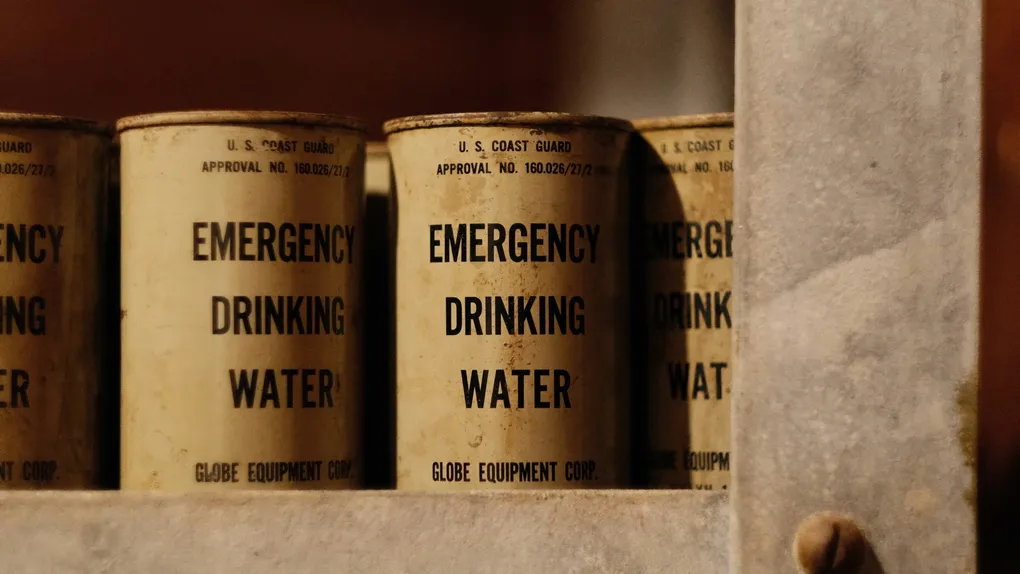
- Keep a 24-hour kit in each place: bottled water, packaged food, emergency medicines, a hand-crank or battery radio, a flashlight and extra batteries. Store supplies for several days if you can.
Our emergency supply kit guide has a full list.
The Takeaway: The middle of a large brick or concrete building, or a basement, beats any car.
Phase 3: During the Explosion
Goal: Survive the first minutes.
- If you are warned, get inside the nearest building right away and move away from windows.
- If you are outdoors when it happens, take cover behind anything that might protect you. Lie face down to protect your skin from heat and flying debris.
- If you are in a vehicle, stop safely and duck down inside it.
- After the shock wave passes, get to the nearest, best shelter before fallout arrives. Ready.gov says you will have 10 minutes or more.
Caution: Do not go outside to look. The highest radiation levels come right after fallout arrives.
The Takeaway: Take cover, then move to real shelter within minutes.
Phase 4: Get Inside, Stay Inside, Stay Tuned
Goal: Let the radiation drop while you are protected.
- Get inside the best shelter you can reach. Go to the basement or the middle of the building, away from outer walls and the roof.
- Stay inside for at least 24 hours unless local officials say otherwise. Radiation levels drop quickly during the first 24 hours.
- Stay where you are. Family members should shelter where they are and reunite later, to avoid exposure. Keep pets inside.
- Stay tuned to any available media for official information. Battery and hand-crank radios will work after a detonation, but phones, texting, TV and internet may not.
- If told to evacuate, listen for routes, shelters and procedures. Do not return until officials say it is safe.
The Takeaway: Twenty-four hours inside, with the radio on.
Phase 5: Remove Fallout
Goal: Get radioactive dust off your body and belongings.
If you were outside after the fallout arrived, do this as soon as you are inside:
- Remove your outer layer of clothing. Ready.gov says this can remove up to 90 percent of radioactive material.
- Shower or wash with soap and water, including any skin or hair that was not covered. If you cannot wash, use a wipe or a clean wet cloth.
- Clean pets that were outside by brushing their coat gently, then washing them with soap and water if you can.
- Eat and drink safely. Packaged food and anything that was inside a building is safe. Do not eat or drink anything that was outdoors uncovered.
- If you are sick or injured, listen for instructions on where to get medical care once officials say it is safe to go out.
The Takeaway: Change your clothes and wash. Eat only what was covered or indoors.
The Essential Kit Checklist
- Shelter spots picked for home, work and school.
- 24-hour kit in each place: water, packaged food, medicines, flashlight and batteries.
- Radio: A battery or hand-crank radio with spare batteries.
- Family plan: Everyone knows to shelter where they are and reunite later.
- Wipes and spare clothes to change into after coming inside.
Scenario Planner (Contingencies)
The trap: Your first instinct is to drive to your children’s school. The fix: Vehicles do not protect you from fallout. Shelter where you are, trust the school’s plan and reunite when officials say it is safe.
The trap: You made it inside but stand by the window to see what happened. The fix: Move to the basement or the center of the building, away from outer walls and the roof.
Frequently Asked Questions
What should I do right after a nuclear explosion?
Get inside the nearest building, ideally a basement or the middle of a large brick or concrete building. Stay inside for at least 24 hours unless officials say otherwise, and stay tuned to a radio for instructions.
How long do I have before fallout arrives?
Ready.gov says you will have 10 minutes or more after a detonation to find adequate shelter before fallout arrives. Use that time to get inside.
Is a car safe shelter from fallout?
No. FEMA says outdoor areas, vehicles and mobile homes do not provide adequate shelter. Get into a basement or the center of a large building.
Next Steps
- Pick your shelter spot at home and at work this week.
- Add a hand-crank radio to your emergency kit.
- Read more at Ready.gov radiation emergencies.
Hero photo by Beau Carpenter on Unsplash.
Adapted from Federal Emergency Management Agency, Be Prepared for Any Hazard, FEMA P-2143 hazard information sheets (public domain). Read the original: Be Prepared for Any Hazard.