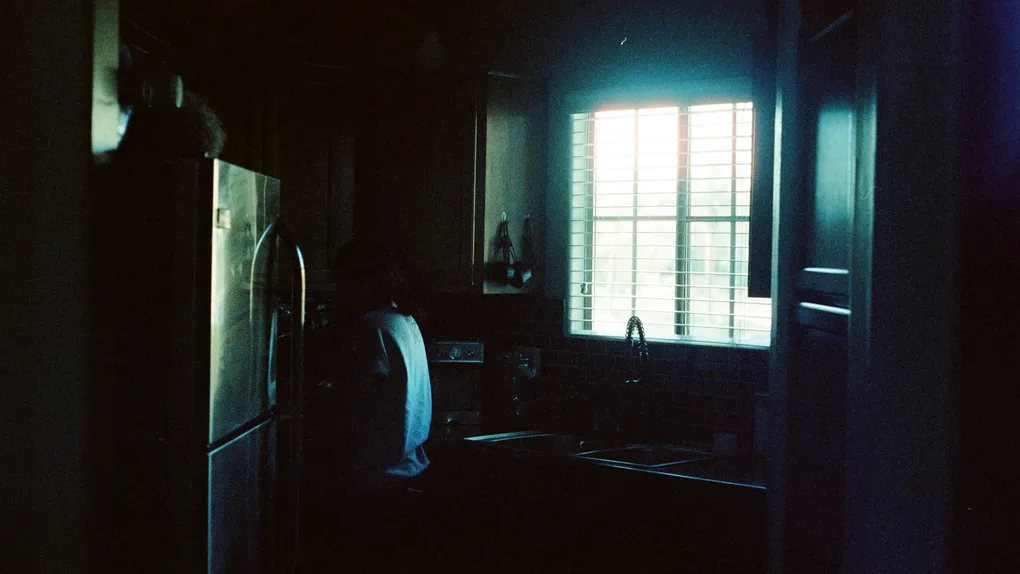
Prepping for a power outage: Stay safe when the lights go out
Most power outages are short, but some last days. They are more likely during strong thunderstorms, hurricanes, winter storms and wildfires. When the power goes out for a long time, it can affect much more than your lights: water, phones, gas stations, ATMs, stores and schools may all stop working, and food and medicine can spoil.
The biggest danger in a long outage is often not the dark. It is the way people try to stay warm, cook or run a generator. This guide uses FEMA’s hazard sheet Be Prepared for a Power Outage (P-2143, August 2024) and the current Ready.gov power outage page.
Disclaimer: This is general safety information. In an emergency, call 911. If you depend on a medical device or refrigerated medicine, make a plan with your doctor before an outage.
The Readiness Audit
- Green: You have working carbon monoxide alarms, a few days of supplies, a plan for medicines and a safe way to charge your phone.
- Yellow: You have flashlights and some food, but no plan for medical needs or a long outage.
- Red: Your backup plan is the gas stove, a running car in the garage or a generator near the door.
If you are Yellow or Red, start Phase 1 now.
Phase 1: Prepare Before the Power Goes Out
Goal: Be ready to go several days without power.
- Carbon monoxide alarms. Install smoke and carbon monoxide alarms with battery backup on every level of your home and near sleeping areas. Learn the signs of carbon monoxide poisoning, which include flu-like symptoms.
- Medical needs. Talk to your doctor about how you will power medical devices and store medicines that need refrigeration.
- Supplies. Gather enough to last several days and check them regularly. If you cannot build a separate kit, know where the things you already own are. Our emergency supply kit guide has a full list.
- Power for devices. Keep phones charged and plan another way to charge them. Find out whether your phone service works in an outage and how long any battery backup lasts. Landlines will not work if the lines are damaged.
- Fuel. Fill your vehicle’s tank before severe weather.
- Communications plan. Write one down and keep a paper copy.
- Fridge thermometers. Keep one in the fridge and one in the freezer so you can check that food stays at a safe temperature.
If you plan to use a generator, install and use it safely, store fuel safely and decide in advance what you will plug in first. You may not be able to run everything at once.
The Takeaway: Alarms, supplies, a medical plan and a charged phone cover most of what goes wrong.
Phase 2: Stay Safe During the Outage
Goal: Avoid the injuries that happen while people try to cope.
Prevent carbon monoxide poisoning
- Generators, camp stoves and charcoal grills go outdoors only, at least 20 feet from windows, doors and attached garages.
- Never heat your home with a gas stovetop, oven, grill or dryer.
- Never leave a vehicle running in a garage, even with the door open. If you use a car for power or warmth, run it outside in a well-ventilated place.
Caution: Carbon monoxide has no smell and can kill quickly. If an alarm sounds or anyone feels dizzy, sick or confused, get everyone into fresh air and call 911.
Prevent fires
- Use flashlights, lanterns and other battery-powered lights.
- Do not use candles or a gas stove to heat your home.
- Use fireplaces, portable heaters and wood stoves safely.
Protect your food, water and electronics
- Keep the fridge and freezer closed. A refrigerator keeps food cold for about 4 hours. A full freezer stays at a safe temperature for about 48 hours.
- Do not store food outside or in the snow in cold weather.
- Unplug appliances and electronics to avoid damage from power surges, and use surge protectors.
- Watch for water advisories. Boil water or use bottled water if told to.
The Takeaway: Fresh air for anything that burns fuel, battery lights instead of flames and closed fridge doors.
Phase 3: After the Power Comes Back
Goal: Throw out what is no longer safe.
- When in doubt, throw it out. Ready.gov says to throw away food that has been at 40 degrees or higher for two hours or more.
- Check for spoilage. Throw away refrigerated food with an unusual smell, color or texture.
- Replace refrigerated medicines if the power was out for a day or more, unless the label says otherwise. Call your doctor or pharmacist if you rely on a refrigerated medicine that warmed up, and use it only until you get a new supply.
The Takeaway: A thermometer reading beats guessing.
Phase 4: Plan for Heat and Cold
Goal: Stay safe when an outage happens during extreme weather.
FEMA warns that more than one disaster can happen at once.
- In heat: Find places with air conditioning you can go to. Stay in the shade, wet your skin, avoid hard activity and wear light, loose clothing. Our post on power outages during a heat wave covers this in depth.
- In cold: Plan how you will stay warm. Check that it is safe before you leave home, and consider spending the coldest part of the day somewhere with heat.
- Check on others. Look in on family and neighbors if it is safe to do so.
The Takeaway: Know where you will go if your home gets too hot or too cold.
The Essential Kit Checklist
- Alarms: Smoke and carbon monoxide alarms with battery backup on every level.
- Light: Flashlights or lanterns and spare batteries. No candles for heat.
- Power: A charged power bank or another way to charge your phone.
- Food and water: Supplies for several days, plus fridge and freezer thermometers.
- Medical plan: A plan from your doctor for devices and refrigerated medicines.
- Paper plan: Your communications plan on paper.
Scenario Planner (Contingencies)
The trap: It is freezing, so you run the generator in the garage with the door open. The fix: Garages are not outdoors. Move the generator at least 20 feet from the house, away from windows and doors.
The trap: The fridge is opened every hour to check on the food. The fix: Keep it closed and check the thermometer once. Each opening lets cold air out.
Frequently Asked Questions
How long will food stay safe in the fridge during a power outage?
Ready.gov says a closed refrigerator keeps food cold for about 4 hours and a full freezer keeps its temperature for about 48 hours. Keep the doors closed as much as you can.
How far from the house should a generator be?
Always run a generator outdoors and at least 20 feet away from windows, doors and attached garages. Never run one inside a home or garage, even with the door open.
When should I throw out food after a power outage?
Throw out refrigerated food that has been at 40 degrees or higher for two hours or more, or that has an unusual smell, color or texture. When in doubt, throw it out.
Next Steps
- Test your carbon monoxide alarms this week.
- Talk to your doctor if you rely on a powered device or refrigerated medicine.
- Read our emergency supply kit guide and check what you already have.
Hero photo by Tyler Chandler on Unsplash.
Adapted from Federal Emergency Management Agency, Be Prepared for Any Hazard, FEMA P-2143 hazard information sheets (public domain). Read the original: Be Prepared for Any Hazard.