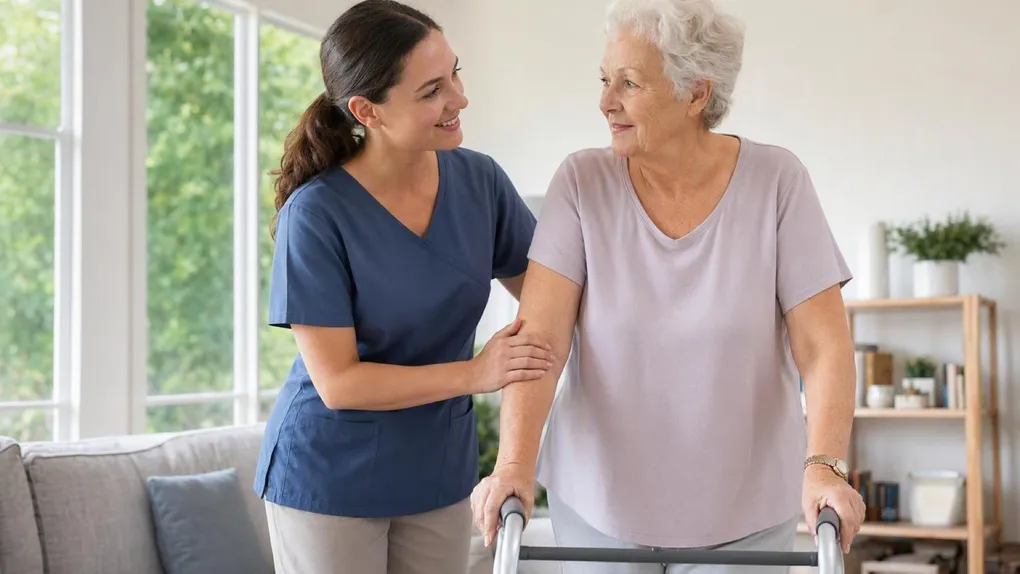
Prepping for special populations (Part 2): Caregivers
As a caregiver, you plan for two people at once. The person in your care depends on you for medications, equipment, transportation, and safety. In a disaster, that responsibility becomes even heavier, and the only way to carry it is to prepare ahead of time. You are already further along than you think, because you navigate complex systems every day. You know the pharmacy schedule, the equipment vendors, and the doctor’s after-hours line. Preparedness just extends those same skills to a different kind of bad day.
Caution: The “I can do it all myself” trap. No caregiver can handle a disaster alone. The caregivers who succeed are the ones who built a support network and identified resources before the emergency.
Disclaimer: The information provided in this article is for general informational and educational purposes only. It is not intended as, and should not be considered, medical or professional advice. Always follow the instructions of local authorities and healthcare providers.
The Readiness Audit
Are you prepared to care for your care recipient in a disaster?
- Green: You have identified barriers, built a support network, and made a plan with a kit and evacuation strategy.
- Yellow: You manage daily care but have no disaster plan for your care recipient.
- Red: You have never thought about what would happen to your care recipient in an emergency.
If you are Yellow or Red, execute Phase 1 immediately.
Phase 1: Identify Barriers and Risks
Goal: Understand the specific challenges your care recipient faces.
- Ask yourself: How does my care recipient communicate needs? What assistive technology do they use? Do they have money for relocation or extra medications?
- Ask your network: Does my support network understand the medication and equipment needs? Do they know how to administer medicine? A neighbor who is willing is not the same as a neighbor who is able, and the gap between the two only shows up in an emergency.
- Solo caregiver: What are my limitations? Do I know how to access medical care during a disaster? Naming your own limits is not defeat, it is the data your plan needs.
The Takeaway: Understanding the barriers is the first step to overcoming them. The medication question alone splits into three: what they take, where more can be found, and who besides you knows both.
Phase 2: Learn and Connect
Goal: Build partnerships and find resources.
- Emergency services: Sign up for alerts, attend community preparedness fairs, and meet first responders. If your local fire department knows your household has an oxygen concentrator, that knowledge changes how they respond.
- Resources: Learn about emergency prescription laws, locate open pharmacies, and find programs to replace equipment.
- Support network: Join a Community Emergency Response Team (CERT) and create a profile through Smart911 or RapidSOS, which give dispatchers your household’s medical details before they arrive.
The Takeaway: Connections made before a disaster are the ones that save you during it. Smart911 and CERT cost nothing but an afternoon, and they convert your care recipient from an unknown to a known the moment help arrives.
Phase 3: Make a Plan
Goal: Build a kit and plan for evacuation and sheltering.
- The kit: Medications and a complete list, assistive devices and spare batteries, medical supplies, a change of clothes, and comfort items.
- Evacuation: Plan and practice your route, and identify a meet-up spot in case you are separated. Practice matters twice as much here, because evacuating with equipment takes more hands and more time than you expect.
- Sheltering: Know your designated shelter, and discuss accommodations with shelter authorities before you ever need the bed space.
The Takeaway: A plan for two people is twice the work, but it is also twice the protection. The comfort items in the kit are not optional frills: a weighted blanket or noise-cancelling headphones can prevent a crisis that no medication list can fix.
The Essential Kit Checklist
- Medications: A complete list and specialty pharmacy contacts.
- Assistive devices: Hearing aids, communication devices, and spare batteries.
- Medical supplies: G-tube supplies, incontinence supplies, formula, oxygen, syringes.
- Mobility aids: Wheelchairs, standers, braces, and a patch kit.
- Documents: Copies of Power of Attorney and advanced directives.
- Comfort items: Fidget toys, weighted blanket, noise-cancelling headphones.
Scenario Planner (Contingencies)
“My care recipient cannot evacuate with me.” The trap: assuming you must stay. The fix: identify a meet-up spot and an alternative contact, and plan how your support network will help if you are separated.
“I am a solo caregiver with no help.” The trap: trying to do everything alone. The fix: start building connections now. Ask trusted people about their plans, and divide preparedness into small steps you can do over time.