Prepping your family and household (Part 3): Safeguard your critical documents
The flood family had forty-five minutes of evacuation warning, and they spent them on the wrong work. They packed clothes. They found the cat. They photographed the kitchen one last time. What they did not do was open the filing cabinet, because the documents were “somewhere.” Six weeks later they were still proving who they were: no insurance policy numbers, no mortgage paperwork, the kids’ birth certificates under four feet of river water. The neighbor who had scanned everything to an encrypted cloud account and kept copies in a fireproof box had her adjuster paid out in half the time.
When disaster strikes, your first concern is safety. But once the immediate danger passes, your recovery depends on documents you may not be able to reach. Identity, insurance, and medical records are the keys to rebuilding your life.
Caution: The “It’s in a drawer somewhere” problem. Documents scattered around the house are useless when you have minutes to evacuate, and they may be destroyed by the very disaster you are preparing for. Gathering, copying, and protecting them now is one of the highest-leverage steps you can take.
Disclaimer: The information provided in this article is for general informational and educational purposes only. It is not intended as, and should not be considered, legal or financial advice. Consult a qualified professional for your specific situation.
The Readiness Audit
Could you prove who you are and what you own after a disaster?
- Green: You have gathered your key documents, made copies, and stored them in a fireproof safe and a secure cloud service.
- Yellow: Your documents exist but are scattered around the house with no copies.
- Red: You have never inventoried your important documents.
If you are Yellow or Red, execute Phase 1 immediately.
Phase 1: Take an Inventory
Goal: Identify every document you need to safeguard.
- Household identification: birth, marriage, and divorce certificates, adoption and custody papers, passports, driver’s licenses, Social Security cards, and pet ownership papers.
- Financial and legal: housing deeds and leases, vehicle titles and registrations, bank and investment accounts, insurance policies, tax returns, wills, trusts, and powers of attorney.
- Medical information: health and dental insurance, Medicare and Medicaid, medication lists, allergies, prescriptions, and doctor contact information.
- Emergency contacts: employers, schools, houses of worship, and home repair services.
The Takeaway: You cannot protect what you have not identified. Inventory first.
Phase 2: Make Copies
Goal: Create paper and electronic copies of everything.
- Paper copies: photocopy each document and keep them together.
- Electronic copies: scan documents and store them in a password-protected, encrypted format.
- The rule: redundancy is protection. One copy is a single point of failure.
The Takeaway: Two copies in two places mean one disaster cannot destroy everything.
Phase 3: Protect the Originals
Goal: Store documents where disaster cannot reach them.
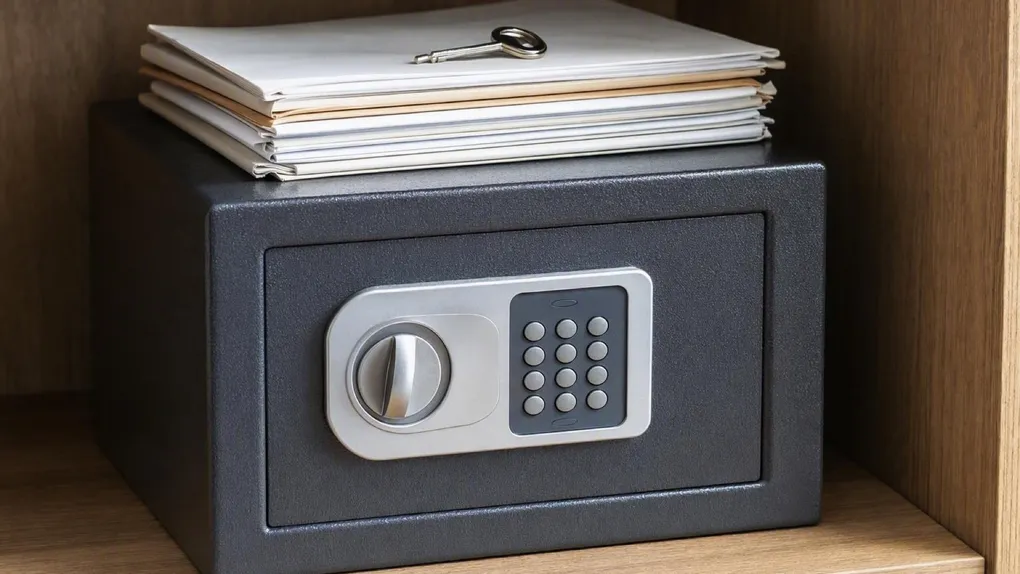
- Fireproof and waterproof safe: keep paper copies at home in a fireproof and waterproof box or safe.
- Bank safe deposit box: store originals off-site for maximum protection.
- Trusted person: give a copy to a trusted friend or relative outside your area.
- Cloud storage: use a secure, encrypted cloud service for electronic copies.
The Takeaway: Spread your documents across multiple locations so no single event destroys them all.
Phase 4: Protect Your Valuables
Goal: Safeguard the items that cannot be replaced.
- Priceless items: family photos, mementos, and keepsakes should be identified and protected.
- Valuables: jewelry, art, and collectibles should be documented and stored safely.
- The action: move items out of basements, secure items on shelves, and use waterproof containers.
The Takeaway: Some things cannot be replaced. Protect them before the disaster.
The Essential Kit Checklist
- Inventory: list all household identification, financial, legal, and medical documents.
- Copies: make paper and encrypted electronic copies of everything.
- Safe storage: store originals in a fireproof safe or bank safe deposit box.
- Off-site copy: give a copy to a trusted person outside your area.
- Cloud backup: upload electronic copies to a secure cloud service.
- Valuables: document and protect priceless personal items.
Scenario Planner (Contingencies)
“I keep everything digital, so I am fine.” The trap: assuming digital means safe. The fix: hard drives fail, cloud accounts get locked, and power goes out. Keep paper copies of the most critical documents as a fallback.
“I do not have a safe deposit box.” The trap: doing nothing because one option is unavailable. The fix: a fireproof home safe, a trusted relative, and encrypted cloud storage together provide strong protection without a bank box.
Next Steps
- Run the fifteen-minute inventory tonight: open every drawer and folder, write down what is where, and note which documents exist only as originals.
- Scan the top ten documents (IDs, deeds, insurance, prescriptions) to an encrypted cloud folder this week.
- Read Part 4: Water safety next, to learn how to make water safe to drink after a disaster.
Originally adapted from public FEMA guidance (public domain).