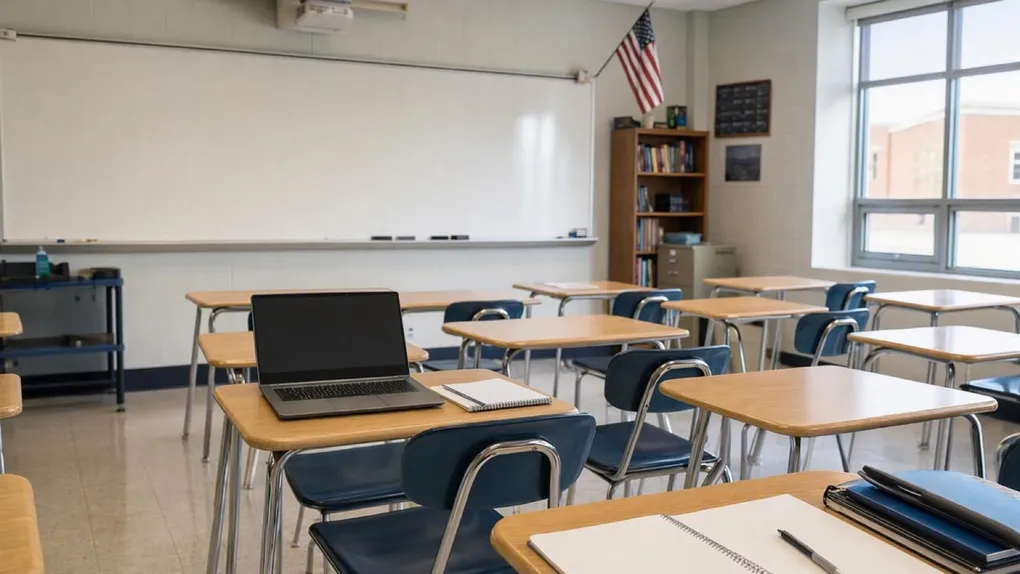
Teaching kids emergency preparedness (Part 4): Grades 9-12
High school students can become leaders in preparedness. FEMA’s Be a Hero curriculum for grades 9 through 12 empowers them to assess risk, build plans, and teach others, strengthening their families and communities.
⚠️ The “They are too busy” trap. Preparedness fits into existing subjects and builds real-world skills like critical thinking, communication, and leadership. It is not an extra burden, it is a life skill.
Disclaimer: The information provided in this article is for general informational and educational purposes only. It is not intended as, and should not be considered, professional or educational advice. Adapt all activities to the age and needs of your students.
The Readiness Audit
Can the high school students in your life lead preparedness?
- 🟢 Green: They can assess risk, build plans, and teach others.
- 🟡 Yellow: They understand preparedness but have not led others.
- 🔴 Red: They have never been taught about emergency preparedness.
If you are Yellow or Red, execute Phase 1 immediately.
Phase 1: Assess Risk
Goal: Teach students to analyze hazards and vulnerability.
- The question: What hazards could affect my community, and how can we reduce our vulnerability?
- The learning: Analyze the causes, impacts, and mitigation of different emergencies.
- The depth: Help students think critically about risk and responsibility.
The Takeaway: Risk assessment is the foundation of leadership.
Phase 2: Build Plans
Goal: Teach students to create comprehensive plans.
- The kit: Build a complete emergency kit and explain each item.
- The plan: Create a family and community communications plan.
- The review: Evaluate and improve plans based on real-world scenarios.
The Takeaway: Planning is a skill students can teach others.
Phase 3: Lead and Teach
Goal: Empower students to lead preparedness efforts.
- The leadership: Empower students to lead preparedness in their families, schools, and communities.
- The teaching: Help students teach others what they have learned.
- The project: Create a project that has a real community impact.
The Takeaway: Prepared students become prepared leaders who strengthen their communities.
The Essential Kit Checklist
- Lesson 1: Teach risk assessment and hazard analysis.
- Lesson 2: Build a kit and community communications plan.
- Lesson 3: Practice leadership and teaching.
- The project: Help students lead a community preparedness effort.
Scenario Planner (Contingencies)
“My students are too busy with college prep.” The trap: treating preparedness as separate. The fix: preparedness builds critical thinking, communication, and leadership, the exact skills colleges and employers value.
“High schoolers do not care about preparedness.” The trap: assuming apathy. The fix: connect preparedness to real-world events and leadership opportunities. Give students ownership and they will engage.
Next: Read the Prepping for anything series to learn the full citizen preparedness framework for adults.