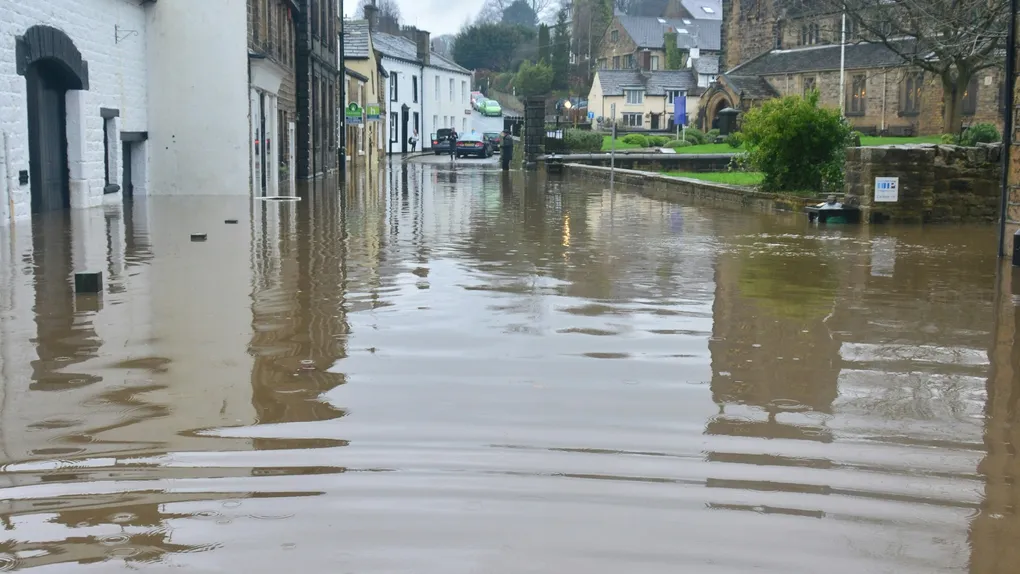
Prepping for a flood: Map your risk and know when to leave
Water is the most common and relentless natural disaster force on Earth. It doesn’t just hit coastlines, it strikes deserts, mountains, and suburban cul-de-sacs. The most tragic sentence uttered after a disaster is “I didn’t think it could happen here.” Relying on history (“it’s never flooded before”) is a dangerous gamble in a world of changing weather patterns and new urban development. My neighbor came home from the county flood-map meeting a few years ago looking like a man who had been told his health was fine and then handed a different report on the way out. His house was Zone X, officially. But the map at the meeting showed the creek behind the properties two doors down, and the 1968 flood line, and the new subdivision being graded uphill. “The map says I’m fine,” he told me, “and the map also shows the water exactly how it would get here.” He bought flood insurance that month. The rest of the street bought theirs after the next big storm, during the 30-day waiting period, which is to say uselessly.
Water is the most common and relentless natural disaster force on Earth. It does not just hit coastlines, it strikes deserts, mountains, and suburban cul-de-sacs. The most tragic sentence uttered after a disaster is “I didn’t think it could happen here.” Relying on history (“it’s never flooded before”) is a dangerous gamble in a world of changing weather patterns and new urban development. Roughly 20% to 25% of all flood insurance claims come from people outside the mapped high-risk zones.
This guide is the hub of the flood series. It gives you the full arc, from mapping your specific risk to the insurance gap that bankrupts families, the hardening that keeps water out, the pre-decided moment you leave, the survival scripts if the water catches you, and the 48-hour mold race after it recedes. This is not about living in fear, it is about turning fear into calculation.
Disclaimer: The information provided in this article is for general informational and educational purposes only. It is not intended as, and should not be considered, professional, legal, insurance, or emergency-response advice. Always follow the instructions of local authorities and emergency officials during an active flood event.
Part 1: Map Your Risk
Water strikes everywhere, and the map you believe is probably out of date. Understanding your specific flood risk transforms fear into calculation: you stop worrying about “if” and start planning for “how.”
Caution: “I didn’t think it could happen here.” Relying on history is a dangerous gamble. Roughly 20% to 25% of all flood insurance claims come from people in “low risk” Zone X. Learn your FEMA zone, understand the three water types (flash, riverine, storm surge), and gather hyper-local intelligence about drainage and development.
Read the full guide on Map Your Risk
Part 2: Insurance Reality
Water is the most expensive intruder you will ever face. Just one inch of water in a standard home can cause upwards of $25,000 in damage.
Caution: the coverage gap is catastrophic. Standard homeowners policies almost never cover flood damage. A specific flood insurance policy combined with a rock-solid home inventory is your financial survival kit. Learn the 30-day waiting period, replacement cost versus actual cash value, and how to document what you own before the water comes.
Read the full guide on Insurance Reality
Part 3: Fortify Your Home
Water obeys the laws of physics. It flows downhill and follows the path of least resistance.
Caution: a breach is devastating. Once water breaches your home’s envelope, the damage multiplies every hour. You cannot stop the rain, but you can redirect the water. Learn the exterior defense (grading, gutters), the mechanical defense (sump pumps, backflow valves), and how to elevate your critical utilities above the flood line.
Read the full guide on Fortify Your Home
Part 4: The Go Signal
Human nature is to wait and see. This is the most dangerous instinct you possess during a flood.
Caution: roads flood before homes do. By the time water is lapping at your doorstep, the escape routes are likely already impassable. A go signal is a pre-decided trigger that removes emotion from the equation. Learn the watch versus warning distinction, the 5 Ps of evacuation, and how to map a high-ground route that avoids the water trap.
Read the full guide on The Go Signal
Part 5: Breach Response
Sometimes the water rises faster than the warning. The time for evacuation has passed, the time for defense has begun.
Caution: a passive response invites disaster. Even when the water is rising, you are not helpless. Learn the utility kill switch (safety first), the tarp-and-wrap sandbag method, how to triage your possessions, and how to secure a sanitation reserve before the municipal supply is contaminated.
Read the full guide on Breach Response
Part 6: In the Water
Over half of all flood-related drownings occur when a vehicle is driven into hazardous floodwater. The second most common cause is walking into or near water.
Caution: physics does not care about your truck. A 3,000-pound vehicle can be turned into a boat by just 12 inches of water. Survival in these moments is counter-intuitive. Learn the S.W.O. protocol (seatbelt, window, out), the attic rule, and how to navigate moving water without getting swept away or electrocuted.
Read the full guide on In the Water
Part 7: Safe Re-Entry
The floodwaters have receded, but your home is now a biohazard zone. The silence is deceptive.
Caution: the mold clock is ticking. You have a critical 24-to-48-hour window to dry out your home before toxic mold takes hold. Learn the safety inspection, the muck-out process, and how to document your loss so the insurance adjuster writes the check.
Read the full guide on Safe Re-Entry
Key Takeaways
For those short on time, here are the most important things to know:
- Know Your Zone: Look up your official FEMA flood zone and understand the difference between flash, riverine, and storm surge risks. “Low risk” does not mean “no risk.”
- Fix the Insurance Gap: Standard homeowners policies almost never cover floods. Buy a specific flood insurance policy when the sun is shining (there is a 30-day waiting period), and document your home with a video inventory.
- Fortify Before the Rain: Grade your yard away from the foundation, extend downspouts, install a battery-backup sump pump and a sewer backflow valve, and elevate critical utilities.
- Pre-Decide Your Exit: Set a go signal trigger so you leave on the watch, not the warning. Roads flood before homes do.
- Never Drive Through Water: Just 12 inches of moving water floats a car. Turn around, do not drown.
Checklist for Flood Preparedness
Tip: Download and print out the flood survival manual and physically mark off every time you complete a task.
Next Steps
- Start with Part 1 tonight. The FEMA map lookup takes five minutes and every other decision in this series hangs on what it tells you.
- Do the one action per part. The series is built so each part ends with a same-week action: the policy call, the sump test, the go-signal sentence, the breaker walk, the breaker tool, the re-entry bin.
- Read the neighboring series when you are done. The hurricane series carries the storm-surge story further, and the drought series covers the opposite water extreme.