Prepping for a pandemic: Get ready before the next outbreak
A new virus can appear anywhere and spread around the world quickly, as COVID-19 showed. It is hard to predict when or where the next pandemic will start. What we do know is that the early weeks are the hardest: there may be no vaccine, test or treatment yet, and schools, workplaces and stores may close.
This guide uses FEMA’s hazard sheet Be Prepared for a Novel Pandemic (P-2143, August 2024), updated with the current CDC guidance on respiratory viruses.
Disclaimer: This is general preparedness information, not medical advice. During an outbreak, follow the CDC, your state and local health departments and your own doctor. In a medical emergency, call 911.
The Readiness Audit
- Green: You have a few weeks of supplies, a plan for school and work closures and a trusted source for health updates.
- Yellow: You would rush to the store when news breaks.
- Red: You get most of your health news from social media posts.
If you are Yellow or Red, start Phase 1.
Phase 1: Understand How Pandemics Spread
Goal: Know what you are protecting against.
A pandemic is a disease outbreak that crosses several countries and affects a large number of people. Most are caused by viruses that spread easily. FEMA notes that a pandemic virus:
- May spread directly from person to person.
- May spread indirectly, from objects to people.
- May spread from people who are infected but have no symptoms.
- May have no vaccine, test or treatment at first, and it can take months or years for most people to become immune.
The Takeaway: Early in an outbreak, everyday habits are the main protection.
Phase 2: Prepare Your Household Now
Goal: Be able to stay home for days or weeks.
- Supplies. Gather cleaning supplies, non-perishable food, prescriptions and bottled water for several days or weeks.
- Buy slowly. FEMA asks people to build supplies over time so everyone can get what they need. Not everyone can afford to stock up at once. FEMA also suggests avoiding WIC-labeled products so families who rely on them can find them.
- Plan for closures. Expect schools, workplaces and community centers to close, and set up ways to work, study and stay in touch online.
- Make an emergency plan so your family knows what to do, and think about how an outbreak would change your plans for other emergencies.
- Check your health insurance, including telemedicine options.
- Protect documents. Keep password-protected digital copies of important papers in a safe place. Our guide to safeguarding critical documents explains how.
- Watch for scams and fraud, which rise during outbreaks.
The Takeaway: A few weeks of supplies, bought over time, takes the panic out of the first days.
Phase 3: Habits That Slow the Spread
Goal: Lower the chance of getting sick or passing it on.
The CDC’s core prevention steps for respiratory viruses, updated in August 2025, are:
- Stay up to date with recommended vaccines.
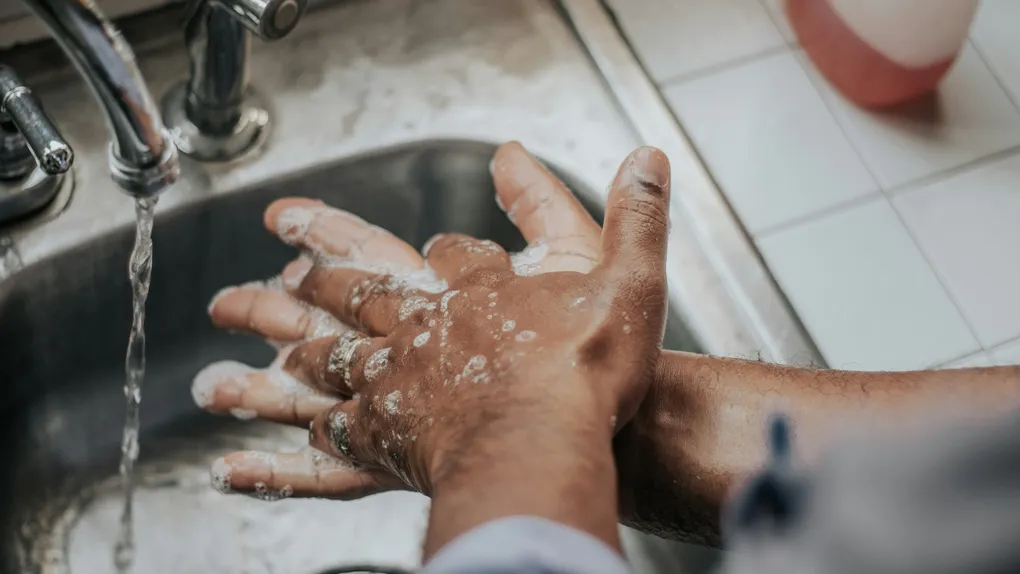
- Practice good hygiene. Wash your hands often with soap and water for at least 20 seconds and clean commonly touched surfaces. If soap is not available, use a hand sanitizer with at least 60 percent alcohol.
- Take steps for cleaner air indoors.
- Get care early if you have risk factors for severe illness.
The CDC lists masks, physical distancing and testing as additional steps you can add. It now says there is no single number that defines a safe distance. During a declared pandemic, health officials may ask for more, such as staying home or wearing masks in public. Follow the guidance given at the time.
The Takeaway: Vaccines, clean hands, clean air and early care are the everyday basics.
Phase 4: If You Get Sick
Goal: Recover without spreading it.
- Stay home and away from others, including people you live with who are not sick.
- Go back to normal activities only when, for at least 24 hours, your symptoms are getting better overall and you have had no fever without fever-reducing medicine. That is the CDC’s current advice.
- Take added precautions for the next 5 days, using the extra prevention steps above.
- If you think you were exposed to a new disease during an outbreak, contact your doctor and follow their instructions.
- In a medical emergency, call 911.
The Takeaway: Stay home while you are sick, then ease back with extra care.
Phase 5: Look After Your Mind and Your Community
Goal: Get through a long outbreak together.
- Share accurate information from health departments and the CDC. FEMA warns that bad information about a disease or its treatment can cause serious harm.
- Reject stigma. Blaming people, places or nations hurts everyone.
- Stay connected by phone and video, and talk to someone if you feel upset. Feeling anxious is normal.
- Afterward, review your family plan, talk with your community about lessons learned and decide how to be better prepared next time.
The Takeaway: Good information and good connections matter as much as supplies.
The Essential Kit Checklist
- Food and water for several days to weeks, bought slowly.
- Prescriptions refilled, with a plan for getting more.
- Cleaning supplies and soap, plus hand sanitizer with at least 60 percent alcohol.
- Remote plan for school, work and staying in touch.
- Documents saved as password-protected digital copies.
- Trusted sources: Your local health department and the CDC bookmarked.
Scenario Planner (Contingencies)
The trap: News of an outbreak breaks and you buy a year of supplies in one trip. The fix: Build supplies slowly ahead of time. Panic buying empties shelves for people who cannot stock up.
The trap: A forwarded message promises a miracle cure. The fix: Check it against your health department or the CDC before you share or try it.
Frequently Asked Questions
How should I prepare for a pandemic?
Gather a few weeks of food, medicine and cleaning supplies, buying them slowly. Plan for school and work closures, and keep digital copies of important documents in a safe place.
When can I go back to normal activities after being sick?
Current CDC advice for respiratory viruses is to stay home until, for at least 24 hours, your symptoms are getting better overall and you have had no fever without fever-reducing medicine. Then take extra precautions for 5 days.
Should I keep six feet away from people during an outbreak?
The CDC now says there is no single safe distance, because spread depends on many factors. Physical distancing is one extra step you can take. During a declared pandemic, follow the guidance health officials give at the time.
Next Steps
- Start a slow-build supply list and add a few items each shopping trip.
- Bookmark your local health department for outbreak updates.
- Read our guide to making a family emergency plan.
Hero photo by Mélissa Jeanty on Unsplash.
Adapted from Federal Emergency Management Agency, Be Prepared for Any Hazard, FEMA P-2143 hazard information sheets (public domain). Read the original: Be Prepared for Any Hazard.