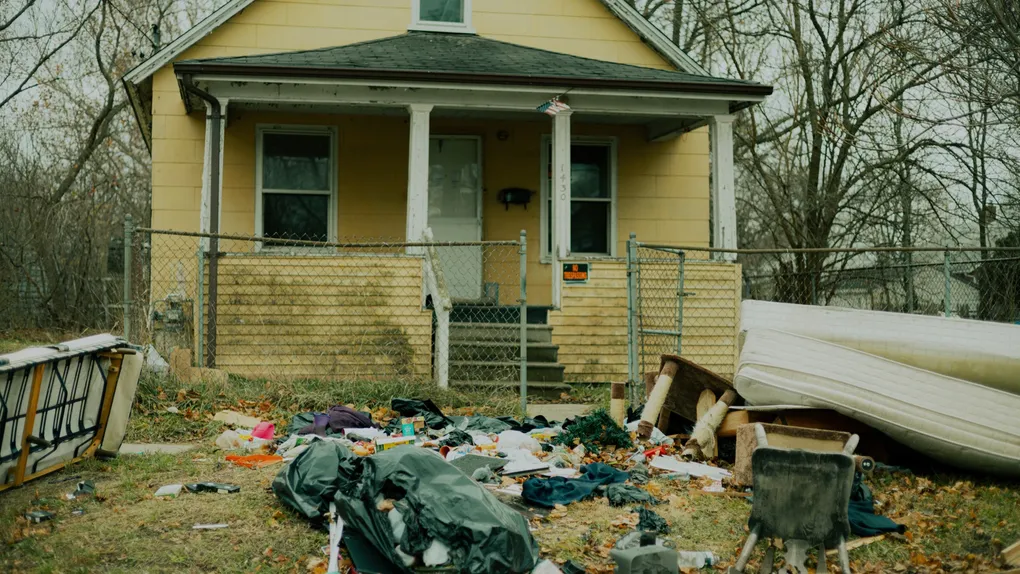
Simple preparedness at home (Part 5): Returning home safely
Coming home after a flood, storm or fire can be one of the most dangerous parts of a disaster. Gas leaks, downed power lines, weak floors and contaminated water are often hidden. FEMA’s community preparedness handouts walk through what to check, step by step.
This part uses FEMA’s handout Coming Home After a Disaster, checked against Ready.gov’s current page on recovering from a disaster.
Disclaimer: This is general safety information. Follow local officials, and leave structural, electrical and gas work to licensed professionals.
The Readiness Audit
- Green: You know what to check before going in, you have a flashlight in your kit and you know how to document damage.
- Yellow: You would go straight in to see how bad it is.
- Red: You would light a candle to look around.
If you are Yellow or Red, start Phase 1.
Phase 1: Wait for the All Clear
Goal: Go back only when it is safe.
- Return only when local officials say it is safe.
- Walk around the outside first, checking for loose power lines, gas leaks and structural damage. If you have doubts, have a qualified building inspector or structural engineer check it before you go in.
- Watch for animals, especially snakes. Poke through debris with a stick.
Do not enter if:
- You smell gas.
- Floodwater is still around the building.
- Authorities have not declared it safe.
The Takeaway: If you smell gas or see water around the house, stay out.
Phase 2: Check Utilities Safely
Goal: Avoid sparks, shocks and gas.
- Use a battery flashlight, not candles or lanterns. FEMA’s handout says to turn it on outside before you enter, because the battery could spark and ignite leaking gas.
- No flames until you are sure there is no gas leak and the area has aired out.
- Let the gas company turn the gas back on. Do not do it yourself.
- Make sure the electricity is off. After serious flooding, do not use the electricity until a licensed electrician has checked it.
- Have heating and electrical systems checked by a professional before you use them.
Caution: Ready.gov lists gas leaks, broken glass, damaged wiring and slippery floors as common hazards inside. Wear sturdy shoes and protective clothing.
The Takeaway: Flashlight on outside, and leave gas and power to the professionals.
Phase 3: After a Flood
Goal: Avoid the hazards floodwater leaves behind.
FEMA’s handout adds these flood steps:
- Wells: Pump out wells and have the water tested before drinking it.
- Toilets: Do not flush until you know the sewer lines are intact.
- Basements: Pump water out slowly, about a third at first. Water pressure outside can collapse basement walls if you drain them too fast. Lower the level 2 to 3 feet, mark it and wait overnight. If it rises, wait 24 hours and repeat.
- Septic systems will not work until groundwater drops below the drain lines.
Our flood series covers flood recovery in more depth.
The Takeaway: Drain basements slowly and test well water before drinking it.
Phase 4: Throw Out What Is Not Safe
Goal: Avoid illness from contaminated items.
- Food, medicine, toiletries and cosmetics that touched floodwater or went without proper refrigeration should be thrown out.
- Water: If you think your water supply is contaminated, have it tested. Until then, use bottled water, or treat water by boiling it for one full minute, as Ready.gov advises.
- Medicines: Part 4 of this series covers which medicines to replace.
The Takeaway: When in doubt, throw it out.
Phase 5: Document and Repair
Goal: Protect your insurance claim and avoid scams.
- Photograph damage inside and out before you clean up, and make a list. Save all your receipts for repairs and cleanup.
- Track your time. Keep records of how much time you spend on debris removal and cleanup.
- Know who does what. Homeowners can usually sort contents, dry walls and floors, remove minor debris and fix small leaks. Structural repairs, restoring gas and power, wallboard and major debris removal usually need professionals.
- Choose contractors carefully. Check that they are qualified and check references. FEMA warns to be wary of people who drive through neighborhoods offering repairs.
The Takeaway: Photos first, then cleanup. Check every contractor.
The Essential Kit Checklist
- Flashlight and batteries in your kit. No candles.
- Sturdy shoes, gloves and protective clothing.
- Camera or phone for photographing damage.
- Insurance information and your agent’s phone number.
- Phone numbers for your gas, power and water companies.
- A list of trusted contractors checked before you need them.
Scenario Planner (Contingencies)
The trap: You get home after dark, the power is out and you light a candle to look around. The fix: Turn on a battery flashlight outside, before you enter. A spark or flame could ignite leaking gas.
The trap: A crew knocks on your door offering to fix the roof today for cash. The fix: Check that contractors are qualified and ask for references. Be wary of door-to-door offers after a disaster.
Frequently Asked Questions
When is it safe to go back home after a disaster?
Only when local officials say it is safe. Do not enter if you smell gas, floodwater is still around the building or authorities have not declared it safe.
Should I use a candle or a flashlight to check a damaged home?
Use a battery-powered flashlight, and turn it on outside before you go in. FEMA warns that a spark could ignite leaking gas, so never use candles, lanterns or matches until you know there is no gas leak.
What should I photograph for insurance after a disaster?
Ready.gov says to take photos and make a list of damage before you clean up, and to save all receipts for repairs and cleanup.
Next Steps
- Add a flashlight and gloves to your kit if they are missing.
- Print the household checklist.
- Go back to the series overview.
Hero photo by Bruno Guerrero on Unsplash.
Adapted from FEMA Emergency Management Institute (public domain). Read the original: Community Preparedness: Simple Activities for Everyone, Handouts (FEMA IS-909).