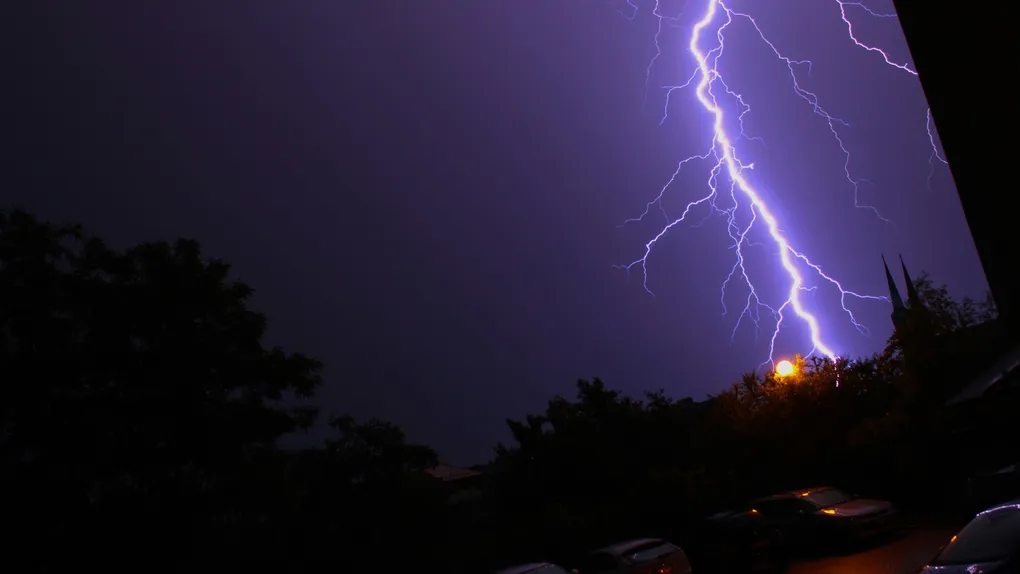
Prepping for lightning (Part 1): Find safe shelter fast
Most lightning victims did not choose to stand in a storm. The National Weather Service collects details on lightning deaths, and many victims said they were caught outside and could not reach a safe place in time. Others waited too long before heading in, or went back outside too soon.
All three problems have the same fix: know where you will go before you need to go there. This part covers what counts as shelter, how long to stay inside and how to build a plan for the places you spend time outdoors.
Disclaimer: This is general safety information. Follow the National Weather Service and local officials during a storm, and call 911 in an emergency.
The Readiness Audit
- Green: For home, work and every outdoor activity, you can name the safe building or vehicle and how long it takes to reach it.
- Yellow: You plan to “head in if it gets bad” without knowing where in.
- Red: Your plan is a tree, a tent, a dugout or a picnic shelter.
If you are Yellow or Red, start Phase 1 now.
Phase 1: Know What Counts as Shelter
Goal: Tell real shelter apart from places that only keep you dry.
The NWS lists two kinds of safe shelter:
| Safe | Not safe |
|---|---|
| A fully enclosed building with electrical wiring and plumbing | Sheds, picnic shelters and covered porches |
| A hard-topped metal vehicle with the windows closed | Tents, open-sided structures and isolated tall trees |
A building with wiring and plumbing works because those paths carry lightning around the people inside. A metal-topped car works because the metal shell carries the current around you and into the ground. A small open structure does neither.
Caution: Rain shelters on trails, golf courses and beaches often look safe. Unless the building is fully enclosed with wiring and plumbing, treat it as outside.
The Takeaway: If it does not have walls, wiring and plumbing, or a metal roof over a closed car, it is not lightning shelter.
Phase 2: Go Early and Stay Inside
Goal: Reach shelter before the first strike near you and stay until the danger has passed.
The NWS lightning safety brochure notes that lightning often strikes outside the area of heavy rain, and can strike as far as 10 miles from any rainfall. Many lightning deaths happen ahead of a storm, before rain arrives, or after the rain ends and the storm seems to have passed.
That is why thunder is the signal, not rain. If you can hear thunder, even a distant rumble, lightning is close enough to strike you. Go inside right away.
Once inside, stay there for at least 30 minutes after the last thunder. Thirty minutes can feel like a long time when the sky is clearing, but it is how long the NWS says you need. Every new rumble restarts the clock.
You can also avoid the race entirely:
- Check the forecast before outdoor plans and postpone if thunderstorms are expected.
- Watch the sky once you are outside for towering clouds, darkening skies or flashes of lightning.
- Plan the walk back. Know how long it takes to reach shelter, and leave with time to spare.
The Takeaway: Hear thunder, go inside, wait 30 minutes after the last rumble.
Phase 3: Stay Safe Inside
Goal: Avoid the paths lightning can follow into a building.
Being indoors is not the end of the plan. Some victims were struck inside homes while they used electrical equipment or corded phones, or while they touched plumbing, outside doors or window frames. If your building is struck, lightning can travel through the wiring and the pipes.
While thunder is close:
- Phones: Use a cell phone or cordless phone. Avoid corded phones except in an emergency.
- Electronics: Stay off equipment that is plugged into the wall.
- Water: Do not bathe, shower or wash dishes.
- Doors and windows: Stay away from them and do not lean on them.
The Takeaway: Inside is safe as long as you are not touching the wires, pipes or frames lightning would follow.
Phase 4: Plan for Work and Organized Activities
Goal: Make sure the people in charge have a lightning plan and use it.
The OSHA fact sheet on lightning safety for outdoor workers recommends that employers check NOAA weather reports before outdoor work, consider rescheduling jobs and keep watching conditions during the day. Darkening clouds and rising wind can signal a developing storm. When storms are possible, workers should not begin any task they cannot quickly stop.
OSHA also recommends a written lightning safety protocol as part of the employer’s emergency action plan. A good protocol covers:
- How people are warned about lightning.
- Which buildings or vehicles to use as shelter.
- How long it takes everyone to reach shelter.
- When to suspend outdoor work and when to resume it.
The same idea applies to sports, camps and outdoor events. The people in charge should know the dangers and have a plan. If you are a parent or a player and you hear thunder, you can ask about the plan and speak up.
The Takeaway: If you run the activity, write the plan down. If you are just there, ask what it is.
The Essential Kit Checklist
- Shelter map: For each outdoor place you use, write down the nearest safe building or vehicle.
- Travel time: Note how long it takes to reach shelter from the farthest point.
- Forecast check: Look at the NWS forecast before every outdoor plan.
- Indoor rules: Post the phone, water and electronics rules where the household sees them.
- Team plan: Ask your coach, employer or event organizer for their lightning plan.
Scenario Planner (Contingencies)
The trap: The group runs under a picnic shelter to wait out the storm. The fix: Keep going to the car or the nearest enclosed building. An open shelter keeps you dry, not safe.
The trap: Thunder is far away, so work continues on the roof. The fix: Any thunder means lightning is close enough to strike. Stop, come down and get to the shelter you named in the plan.
Frequently Asked Questions
Is a car safe during a lightning storm?
A hard-topped metal vehicle with the windows closed is safe shelter. A convertible or an open vehicle is not. Stay inside until 30 minutes after the last thunder.
Can I take a shower during a thunderstorm?
No. Lightning can travel through plumbing if your building is struck. Wait to bathe, shower or wash dishes until the storm has passed.
Is it safe to use my phone during a thunderstorm?
Cell phones and cordless phones are safe to use indoors. Avoid corded phones unless it is an emergency, because lightning can travel through the phone line.
Next Steps
- Make your shelter map for home, work and the places you play.
- Read Part 2: How lightning strikes people to see why each of these rules exists.
- Go back to the series overview for the full plan.
Hero photo by Nat K on Unsplash.
Adapted from NOAA National Weather Service (public domain). Read the original: NWS Lightning Safety Brochure.