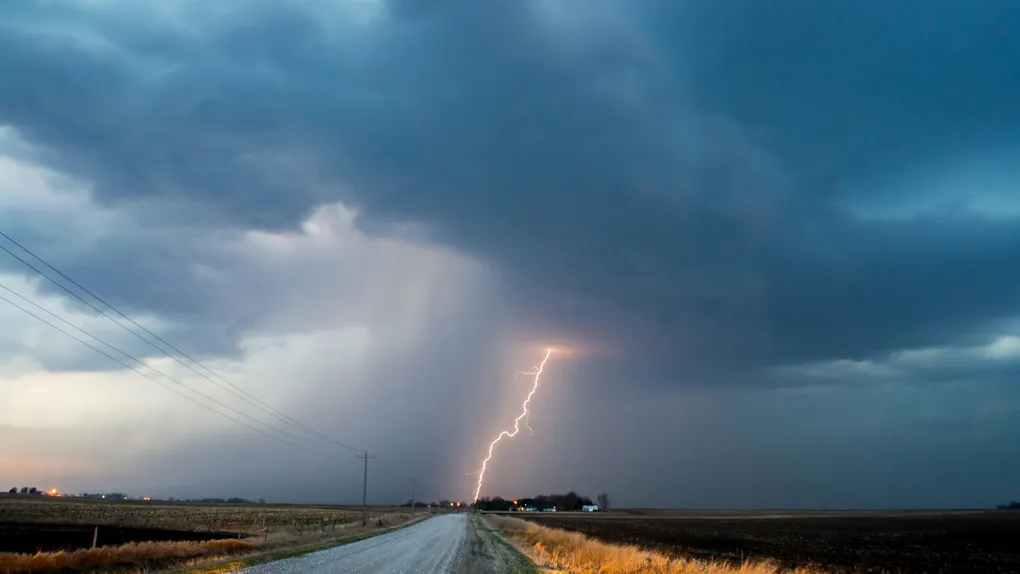
Prepping for lightning: When thunder roars, go indoors
Lightning is one of the few weather dangers where a simple rule does most of the work. When thunder roars, go indoors. The National Weather Service still uses that line because it is easy to remember and because most lightning injuries happen to people who stayed outside a little too long.
The numbers are smaller than for floods or heat, which is part of the trap. The National Weather Service counted 21 lightning deaths in the United States in 2025, and its 10-year average from 2016 to 2025 is 20 deaths a year. Hundreds more people are injured, and many survivors live with lasting pain and memory problems. Most of these cases could have been prevented with a plan and a few minutes of warning.
This series turns the NWS lightning guidance into a household plan. Each part covers one question: where to go, how lightning actually hurts people and what to do if someone is struck.
Disclaimer: This is general safety information, not medical advice. Follow the National Weather Service, local officials and emergency dispatchers during a storm. If someone is hurt, call 911.
The Readiness Audit
If you heard thunder right now, would everyone in your household know where to go?
- Green: You know the nearest safe building or vehicle for home, work and the places you play, and you wait 30 minutes after the last thunder.
- Yellow: You go inside when the rain starts, or you watch the sky instead of listening for thunder.
- Red: You think a tree, a tent or a covered porch is good enough shelter.
If you are Yellow or Red, start with Part 1.
Part 1: Find Safe Shelter Fast
No place outside is safe when a thunderstorm is in the area. Safe shelter means a building with plumbing and electrical wiring, or a hard-topped metal vehicle with the windows closed. Sheds, picnic shelters, tents and covered porches do not protect you.
Caution: The danger does not end when the rain stops. Some people are struck because they head back outside while the storm is still close. Stay inside for at least 30 minutes after the last thunder.
The Takeaway: Decide where you will go before the storm, so the decision is already made when you hear thunder.
Read the full guide on Find Safe Shelter Fast
Part 2: How Lightning Strikes People
A direct hit is the case most people picture, but it is not the most common one. The NWS describes five ways lightning hurts people: a direct strike, a side flash, ground current, conduction and streamers. Ground current causes the most lightning deaths and injuries.
Caution: Lightning does not have to touch you to hurt you. Standing under a tall tree or touching a wire fence can be as dangerous as standing in the open.
The Takeaway: Knowing how lightning travels explains every safety rule, from staying away from trees to skipping the shower during a storm.
Read the full guide on How Lightning Strikes People
Part 3: If Someone Is Struck
Cardiac arrest is the immediate cause of death for people killed by lightning. That means the first few minutes matter most. A person struck by lightning carries no electrical charge, so you can touch them and help right away.
Caution: Lightning can strike the same place twice. If the storm is still active, move the person to a safer place if you can do it without delay.
The Takeaway: Call 911, start CPR if you are trained and use an AED if one is nearby.
Read the full guide on If Someone Is Struck
The Lightning Safety Checklist
The checklist pulls the whole series onto one page, from checking the forecast to caring for a survivor in the weeks after a strike. Print it and keep a copy with your outdoor gear.
The Takeaway: A plan written down before the season starts is easier to follow when you are wet, rushed and listening for thunder.
Read the full guide on The Lightning Safety Checklist
The Essential Kit Checklist
- Forecast habit: Check the NWS forecast before outdoor plans.
- Shelter list: Name the safe building or vehicle for home, work, school and sports.
- 30-minute rule: Everyone in the household knows to wait 30 minutes after the last thunder.
- Indoor habits: No corded phones, showers or dishwashing while thunder is close.
- First aid: At least one adult knows CPR and where the nearest AED is.
Scenario Planner (Contingencies)
The trap: The sky overhead is blue, so the storm on the horizon seems far away. The fix: Listen instead of looking. If you can hear thunder, lightning is close enough to strike you.
The trap: The rain stops and the game starts again right away. The fix: Use the 30-minute rule. Restart the clock every time you hear thunder.
Frequently Asked Questions
How close does a storm have to be before lightning is a danger?
If you can hear thunder, you are close enough to be struck. Lightning can strike far from the rain, so go inside a safe building or a hard-topped vehicle as soon as you hear it.
How long should I wait after a storm before going back outside?
Wait at least 30 minutes after the last thunder you hear. Many people are struck because they go back outside while the storm is still close.
Is it safe to touch someone who was struck by lightning?
Yes. A person struck by lightning does not carry an electrical charge. Call 911, start CPR if you are trained and use an AED if one is available.
Next Steps
- Answer the Readiness Audit honestly and close the gap it shows before the next storm.
- Read Part 1: Find safe shelter fast to plan your shelter for each place you spend time outdoors.
- Review our alerts and warnings guide so a storm forecast reaches you in time.
Hero photo by NOAA on Unsplash.
Adapted from NOAA National Weather Service (public domain). Read the original: NWS Lightning Safety Brochure.