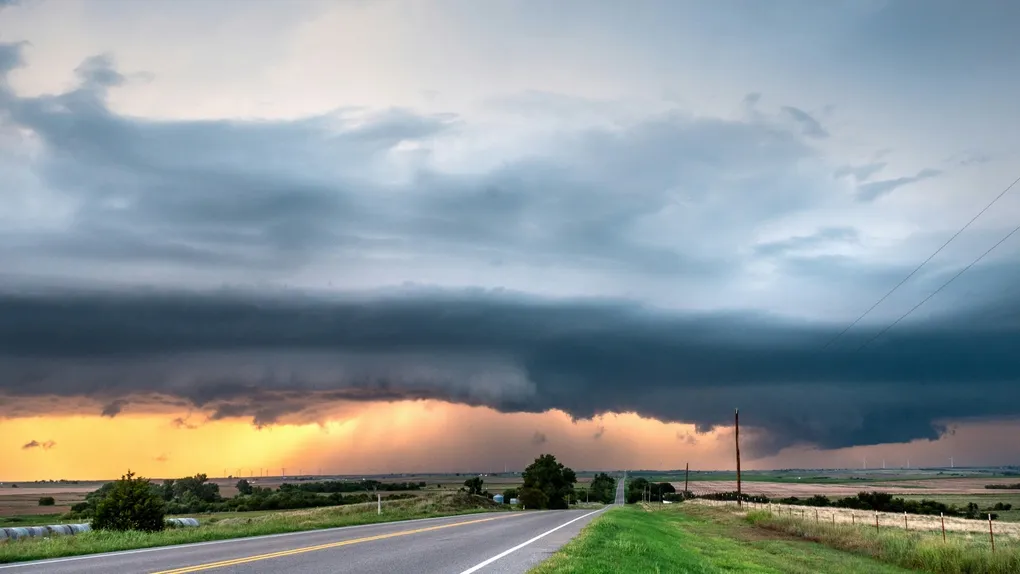
Severe thunderstorms: Hail, wind and what to do
Every thunderstorm brings lightning, and many bring flash flooding. A severe thunderstorm adds more: damaging wind, large hail and sometimes tornadoes with little or no warning. The National Weather Service defines a severe storm as one that can produce hail an inch or larger or wind gusts over 58 mph, and some produce hail larger than softballs or winds over 100 mph.
This guide uses the NWS brochure Thunderstorm Safety for You and Your Family (2018), checked against the current Storm Prediction Center definitions. For lightning itself, see our lightning series.
Disclaimer: This is general safety information. Follow National Weather Service warnings and local officials. In an emergency, call 911.
The Readiness Audit
- Green: You get warnings on your phone or a weather radio, you have a safe room and your family has practiced.
- Yellow: You check the sky, not the forecast.
- Red: You plan to wait out storms in a car, a shed or a mobile home.
If you are Yellow or Red, start Phase 1.
Phase 1: Know the Watch, the Warning and the Risk Levels
Goal: Understand what each alert asks you to do.
- Severe Thunderstorm Watch: be prepared. Severe storms are possible in and near the watch area, which often covers many counties or even several states. Stay informed and be ready to act.
- Severe Thunderstorm Warning: take action. A severe storm has been seen on radar or reported. Get into a sturdy building, and get out of mobile homes that high winds could blow over.
The Storm Prediction Center rates each day’s severe weather risk on a five-level scale:
| Level | Name | What it means |
|---|---|---|
| 1 | Marginal | Isolated severe storms possible |
| 2 | Slight | Scattered severe storms possible |
| 3 | Enhanced | Numerous severe storms possible |
| 4 | Moderate | Widespread severe storms likely |
| 5 | High | Widespread severe storms expected, including strong tornadoes or a derecho |
The Takeaway: A watch means get ready. A warning means go now.
Phase 2: Prepare Before Storm Season
Goal: Have a place and a plan.
- Get alerts. Check the forecast regularly, listen to local news or a NOAA Weather Radio and know how your community sends warnings.
- Pick a safe room: a basement, storm cellar or interior room on the lowest floor with no windows.
- Make a family plan with a meeting place, and practice it regularly. Do not forget pets. Ready.gov’s make a plan page can help.
- Prepare your home. Keep trees trimmed. When storms are coming, put away loose objects, close windows and doors and move valuables inside.
- Help your neighbors. Take a CPR course, and practice a plan with older or disabled neighbors.
The Takeaway: A safe room picked in advance saves the scramble.
Phase 3: During the Storm
Goal: Get away from wind, hail and flying debris.
- At home: Go to your safe room when a warning is issued and damaging wind or hail is coming. Take pets if there is time.
- At work or school: Stay away from windows. Avoid large open rooms like cafeterias, gyms and auditoriums.
- Outside: Get into a sturdy building right away. Sheds and storage buildings are not safe. Sheltering under a tree can be deadly, because it can fall on you and attract lightning.
- In a vehicle: A car is safer than being outside, but if you have time, drive to the closest secure shelter.
Caution: Severe storms can spawn tornadoes with little or no warning. Our tornado series covers what to do.
The Takeaway: Interior room, lowest floor, away from windows.
Phase 4: After the Storm
Goal: Stay safe while you check for damage.
- Stay informed. Keep a weather radio with you until the threat has passed.
- Check in with family and friends, since power and phones may be out.
- Inspect carefully. Wear long pants, long sleeves and sturdy shoes. Stay out of damaged buildings and report downed power lines.
- Beware of scams from people offering quick repairs or insurance help.
- Help others. If someone is hurt, call 911, then give first aid if you are trained.
The Takeaway: Wait for the all clear, then dress for debris.
The Essential Kit Checklist
- Alerts: Weather radio or phone alerts turned on.
- Safe room: Lowest floor, interior, no windows.
- Family plan with a meeting place, practiced this season.
- Yard: Trees trimmed and loose items easy to put away.
- After-storm gear: Sturdy shoes, gloves and a flashlight.
Scenario Planner (Contingencies)
The trap: You are at a ballgame and the storm looks far off. The fix: Check for warnings and head to the car or a sturdy building early. Bleachers and dugouts are not shelter.
The trap: You run to the school gym during a warning because it is big and sturdy. The fix: Large open rooms are dangerous in high winds. Go to an interior hallway or small room instead.
Frequently Asked Questions
What makes a thunderstorm severe?
The National Weather Service defines a severe thunderstorm as one that can produce hail an inch or larger or wind gusts over 58 mph. Some storms bring hail larger than softballs or winds over 100 mph.
What is the difference between a severe thunderstorm watch and warning?
A watch means severe storms are possible in and near the watch area, so be ready. A warning means a severe storm has been seen on radar or reported, so take shelter in a sturdy building now.
Is a car safe in a severe thunderstorm?
A vehicle is safer than being outside, but if you have time, the NWS says to drive to the closest secure shelter. Never shelter under a tree.
Next Steps
- Turn on weather alerts on your phone today.
- Pick your safe room and walk your family to it.
- Read our mobile home safety guide if anyone you know lives in one.
Hero photo by Raychel Sanner on Unsplash.
Adapted from NOAA National Weather Service (public domain). Read the original: NWS Thunderstorm Safety Brochure.