Simple preparedness at home (Part 4): Your stay healthy kit
In a disaster, hospitals and clinics may be overwhelmed, roads may be cut off and phones may be down. You might have to leave home with little notice. FEMA’s community preparedness handouts make a simple point: keep your medicines, records and medical supplies ready, and know basic first aid.
This part uses FEMA’s handout Rx for Readiness, with advice on damaged medicines from the FDA.
Disclaimer: This is general information, not medical advice. Ask your doctor or pharmacist about your own medicines and medical devices.
The Readiness Audit
- Green: Each person’s medicines and a written health sheet are packed and ready, and you know where the nearest open pharmacy would be.
- Yellow: You have medicines at home but nothing packed to grab.
- Red: You do not know the names or doses of the medicines your family takes.
If you are Yellow or Red, start Phase 1.
Phase 1: Pack the Stay Healthy Kit
Goal: Have a week of medical needs ready to go.
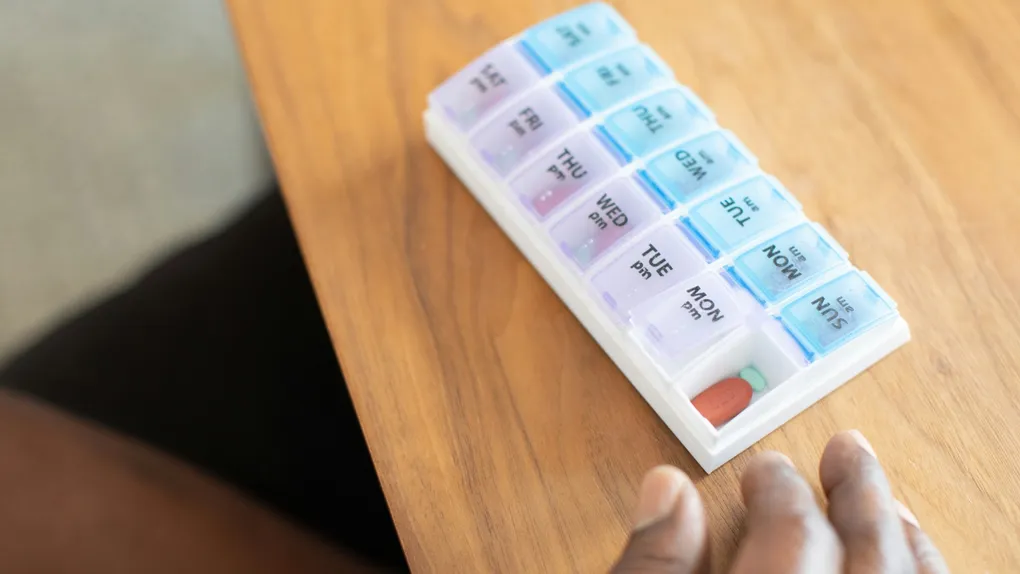
- Medicines: A week’s supply of each person’s medicines in a plastic bag labeled with their name. Include testing equipment like a glucose meter and strips. A weekly pill organizer helps if someone takes several medicines a day. Talk to your doctor about getting refills early.
- Everyday aids: Denture supplies, spare glasses, contact lenses and hearing aid batteries.
- Equipment tags: Put operating instructions on items like oxygen or feeding pumps so someone unfamiliar with them can help.
- First aid supplies: Bandages, washcloths, soap, antiseptic cream and a pain reliever.
- Storage: Pack everything in plastic bags or a container to keep it dry, in an easy-to-find spot. The FDA also suggests watertight containers and a cooler with ice or gel packs for medicines that need to stay cold.
The Takeaway: A week of medicine, labeled, dry and easy to grab.
Phase 2: Fill In a Household Health Sheet
Goal: Put critical health information on paper.
For each person, write down:
- Allergies and medical conditions.
- Medicines and doses.
- Insurance, Medicare or Medicaid details.
Then list emergency contacts: a local and an out-of-town contact, hospitals near home, work and school, doctors and specialists, your pharmacy, your local health department, employers, schools and your veterinarian.
Make copies for home, your car, your children’s schools and your workplace, and save the contacts in your phone.
The Takeaway: If you cannot speak for yourself, the paper can.
Phase 3: Know Which Medicines to Replace
Goal: Avoid taking medicine that a disaster has damaged.
The FDA advises:
- Heat: High temperatures from a fire can weaken or destroy medicines. Consider replacing medicines exposed to extreme heat.
- Floodwater: Throw away medicines that touched floodwater or unsafe water, even in their original containers. A lifesaving medicine with no replacement may be used if it looks unchanged, until you can replace it.
- Refrigeration: For medicines like insulin, check the storage instructions or ask a pharmacist, doctor or the manufacturer. A lifesaving medicine may be used until you get a new supply.
- Mixing: If a medicine has to be mixed with water, use only purified or bottled water.
Our power outage guide covers keeping medicines cold when the power is out.
The Takeaway: When in doubt, ask a pharmacist before you take it.
Phase 4: Stop Germs From Spreading
Goal: Stay healthy when water and services are out.
Diseases can spread more easily after a disaster, especially when water service is disrupted. FEMA’s handout lists simple steps:
- Stay up to date on vaccines.
- Clean surfaces that people touch often.
- Cover coughs and sneezes with a tissue or your elbow, and throw tissues away.
- Wash hands often with soap and water. FEMA suggests humming “Happy Birthday” twice to get the time right. Use an alcohol-based hand sanitizer if water is not available.
- Avoid touching your eyes, nose and mouth, and avoid crowds when illness is going around.
The Takeaway: Clean hands and clean surfaces go a long way.
The Essential Kit Checklist
- A week of medicine for each person, in a labeled bag.
- Testing supplies like glucose meters and strips.
- Glasses, hearing aid batteries and denture supplies.
- Household health sheet with medicines, doses, allergies and contacts.
- Insurance cards copied and packed.
- Cooler and ice packs for medicines that need to stay cold.
Scenario Planner (Contingencies)
The trap: You evacuate and realize no one knows Grandma’s exact medicine doses. The fix: Fill in the health sheet now and keep copies in the car and the kit.
The trap: The pill bottles got wet in the flood but look fine. The fix: The FDA says to throw them out. Call your pharmacist about replacements.
Frequently Asked Questions
How much medicine should I keep in an emergency kit?
FEMA’s handout suggests a week’s supply of each medicine in a labeled bag. Ask your doctor or pharmacist about getting refills early so you can keep a spare supply.
Can I use medicine that got wet in a flood?
The FDA says to throw away medicine that touched floodwater, even in its original container. The only exception is a lifesaving medicine with no replacement that looks unchanged, until you can replace it.
What should I do with refrigerated medicine during a power outage?
Keep the refrigerator closed. The FDA advises checking the storage instructions or asking a pharmacist. A lifesaving medicine like insulin may be used until you get a new supply.
Next Steps
- Ask your pharmacist about getting an early refill for your kit.
- Read Part 5: Returning home safely.
- Go back to the series overview.
Hero photo by Nappy on Unsplash.
Adapted from FEMA Emergency Management Institute (public domain). Read the original: Community Preparedness: Simple Activities for Everyone, Handouts (FEMA IS-909).